

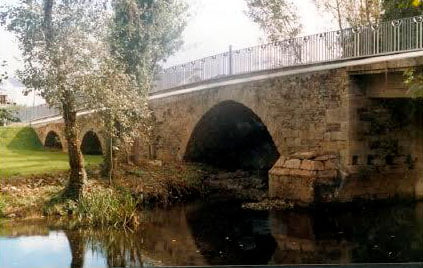
 0112th c.
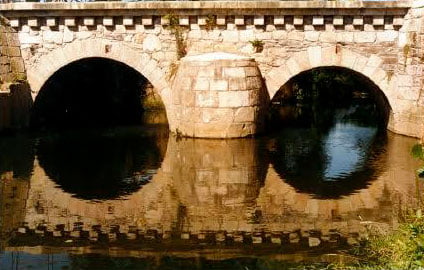
Ponte Ribeira
(12th century). It crosses the Sarria River along the route of the French Way and stops at Fonte Ribeira and at the “Homage to the Pilgrim” sculptural ensemble
Visit · What to see in Sarria
A medieval town, friendly and refreshing
Grab your backpack and let’s discover Sarria. Don’t forget to take a photo and share it on your social media! The route is circular and walked entirely through the historic old town.
Route map. Click to view it at full size.
 (se abre en una ventana nueva)
Fifteen stops around the historic old town of Sarria.
0112th c.(12th century). It crosses the Sarria River along the route of the French Way and stops at Fonte Ribeira and at the “Homage to the Pilgrim” sculptural ensemble
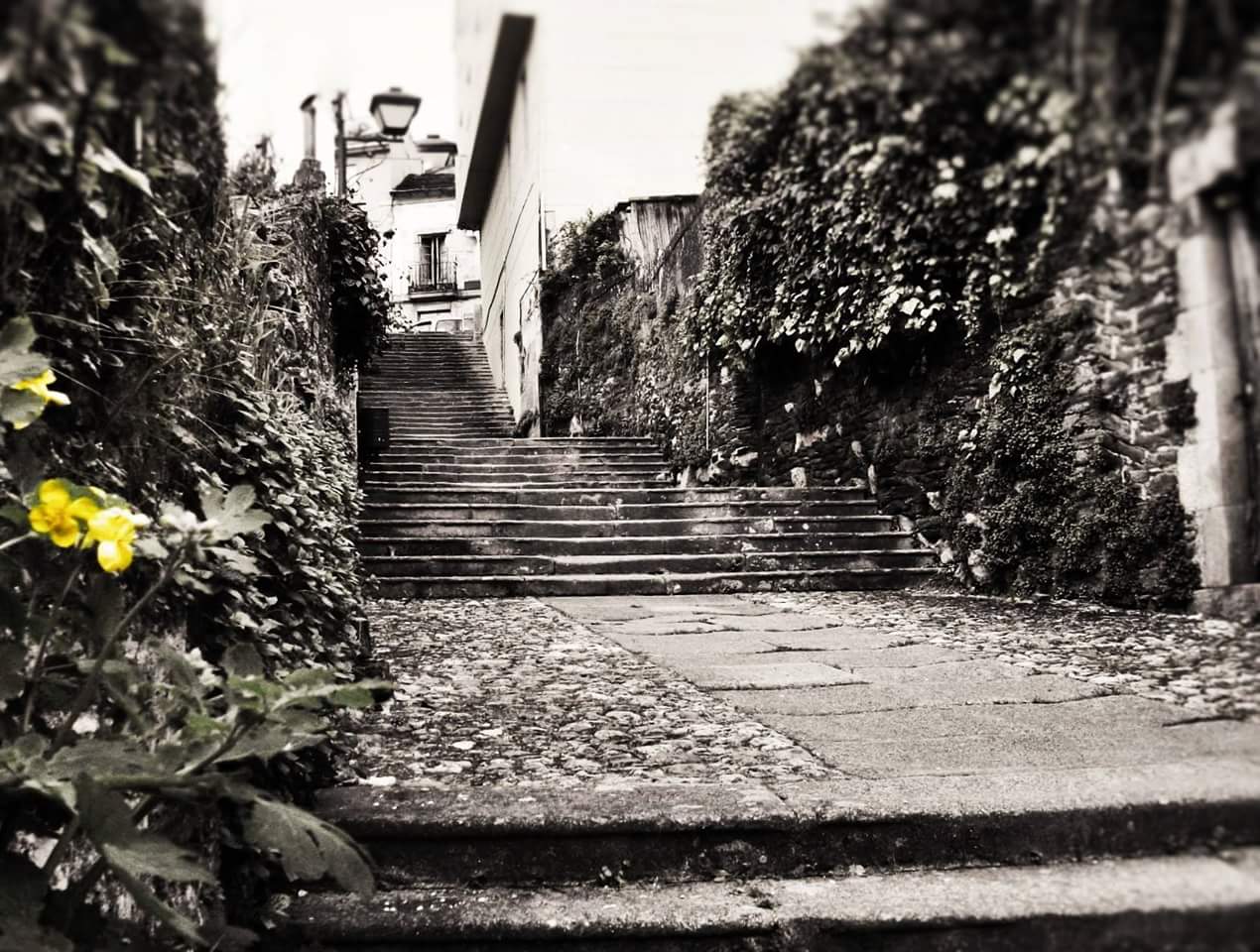 0219th c.
(19th century). Go up and take a photo before entering the historical area of Sarria.
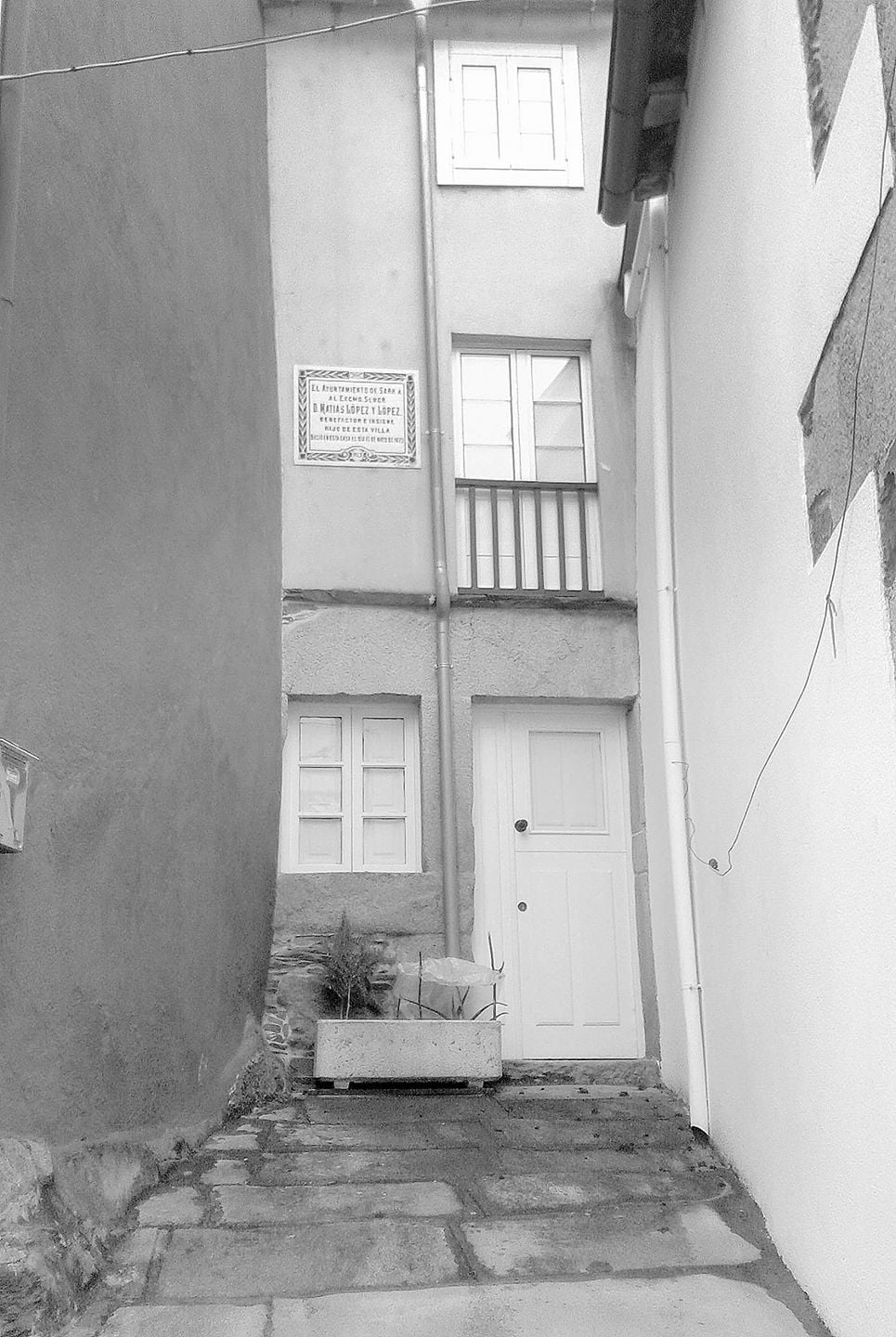 03
03It was the home of the chocolate industrialist, politician and philanthropist, who introduced modern commercial advertising in Spain.
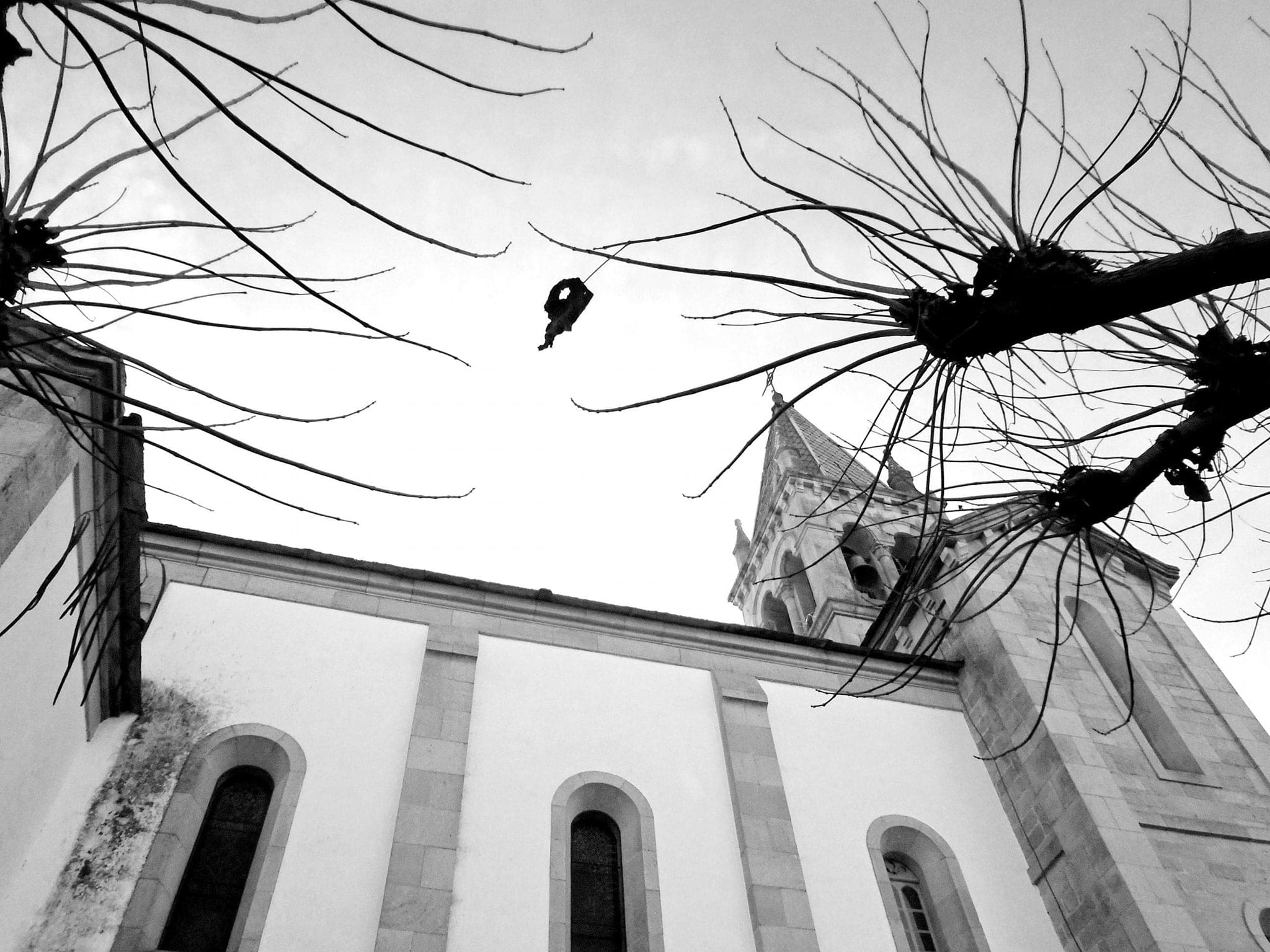 041885
(1885). Located in the old market square, occupying the site of an old Romanesque church dating back to the 13th century.
 0519th c.
(19th century). Since 1920 it has been the Casa do Concello (Town Hall). On the main façade is the stone sculpture of the king Alfonso IX of León and Galicia. (19th century).
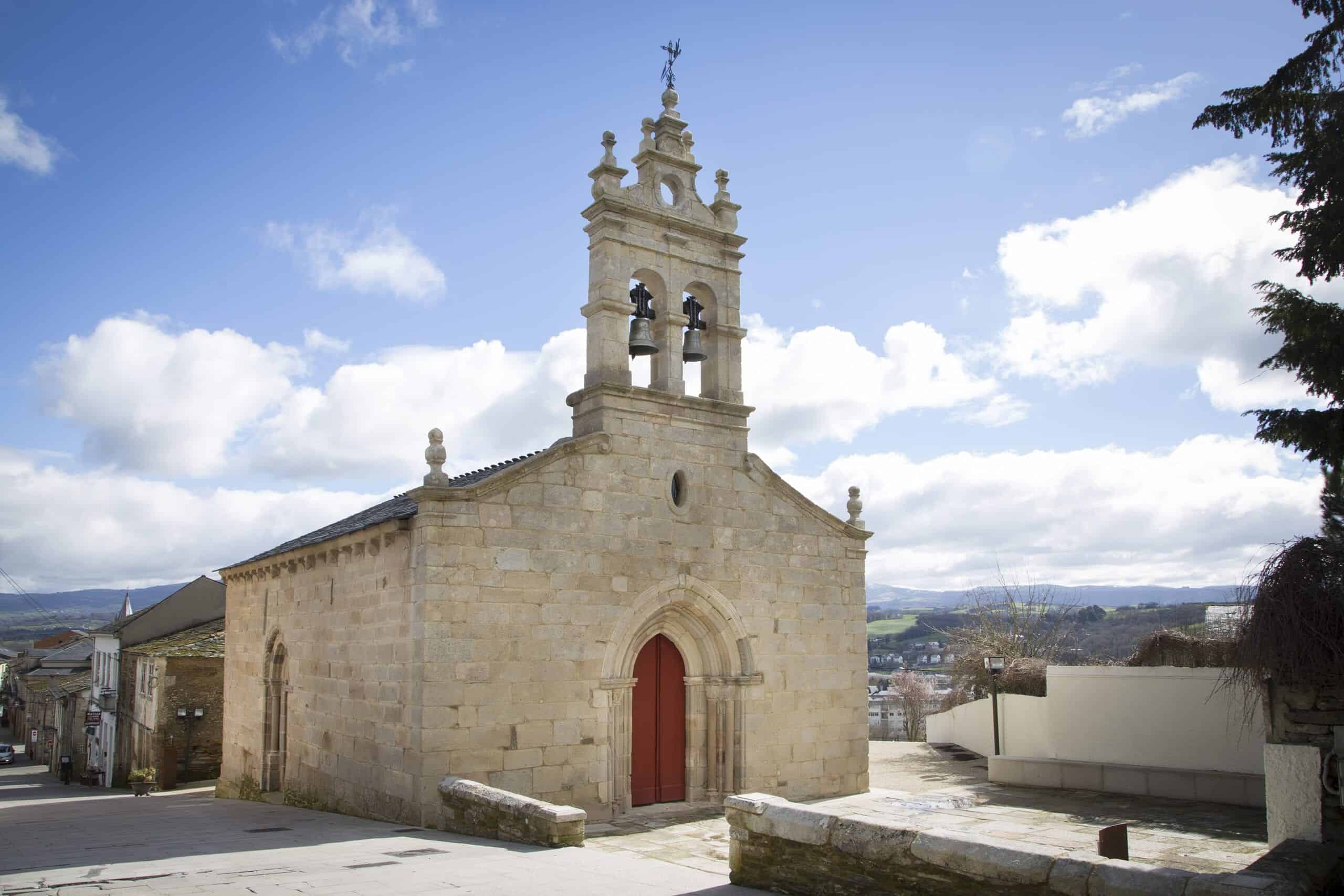 0613th c.
(13th century). It shows some Romanesque elements and Gothic arches and doors. Outstanding on the outside are the medieval ironwork and capitals with human heads, scrolls, the Tree of Life, rosettes and nail points.
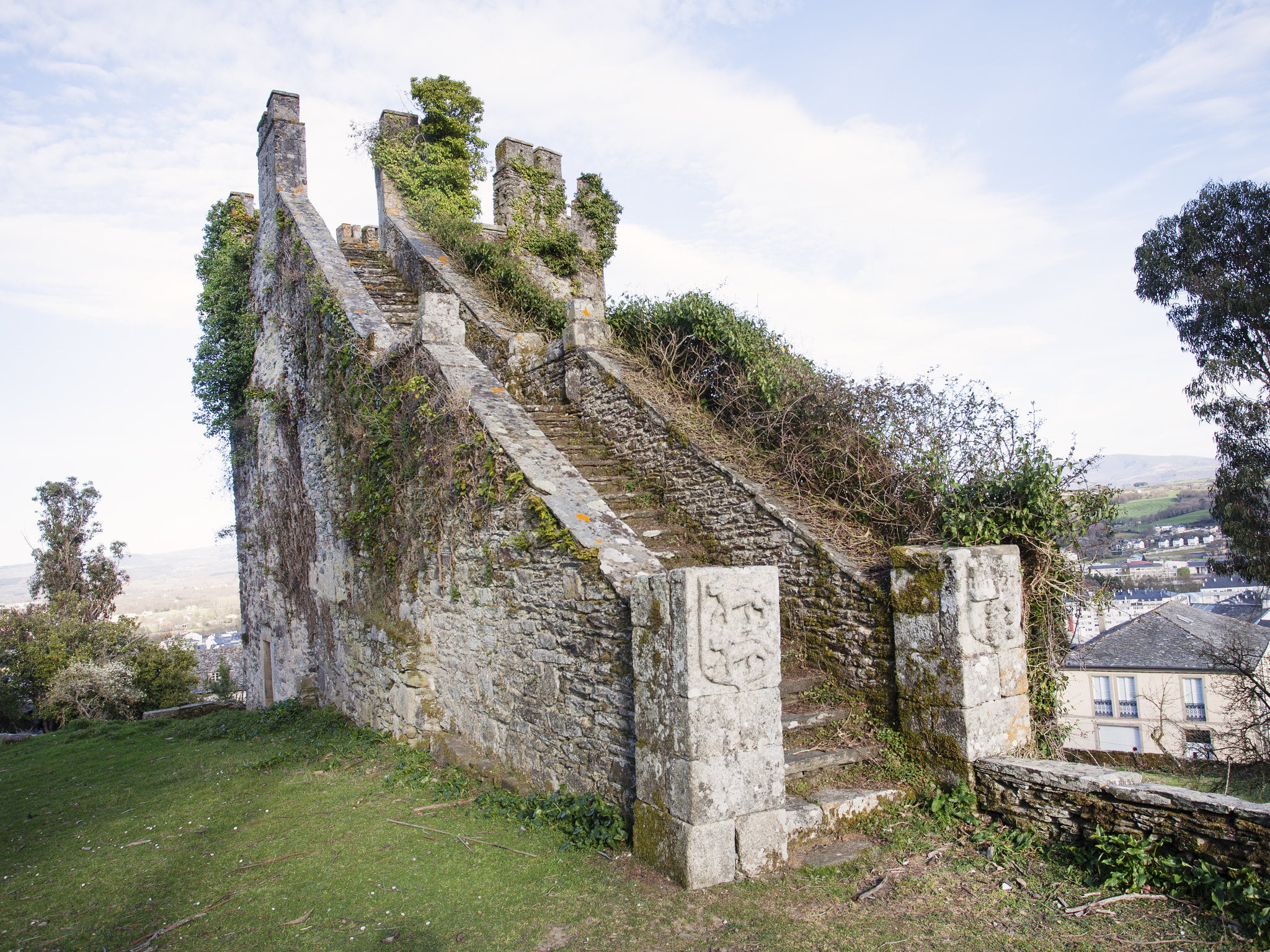 0713th c.
(13th century). Erected by the Counts of Sarria, demolished in the “Revolta Irmandiña” and raised again at the expense of the vassals of the “Cinco Pobras”. It stood until 1860. Today, only a flank tower remains.
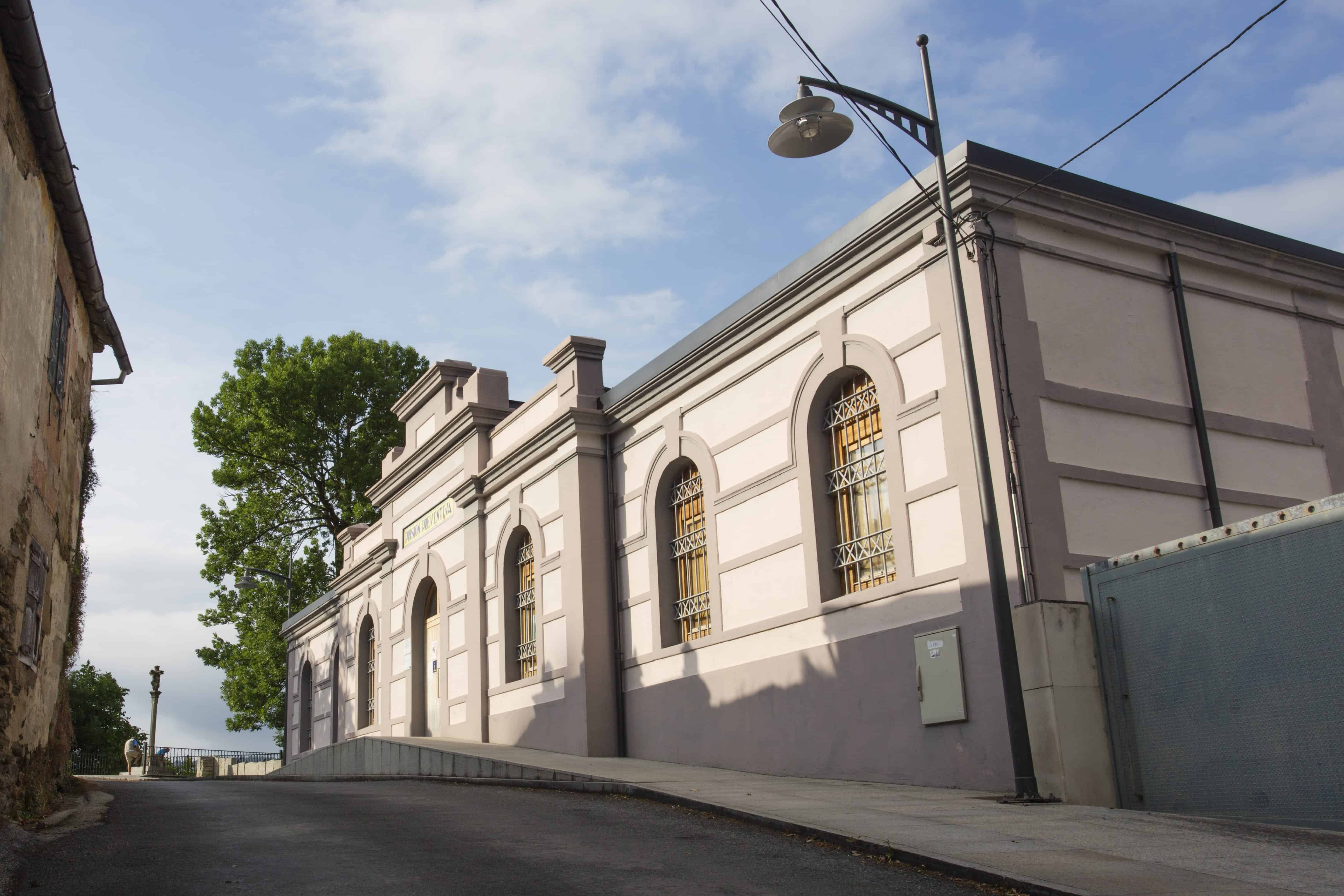 08
08Today it houses the Municipal Tourist Office of Sarria, as well as diverse cultural activities.
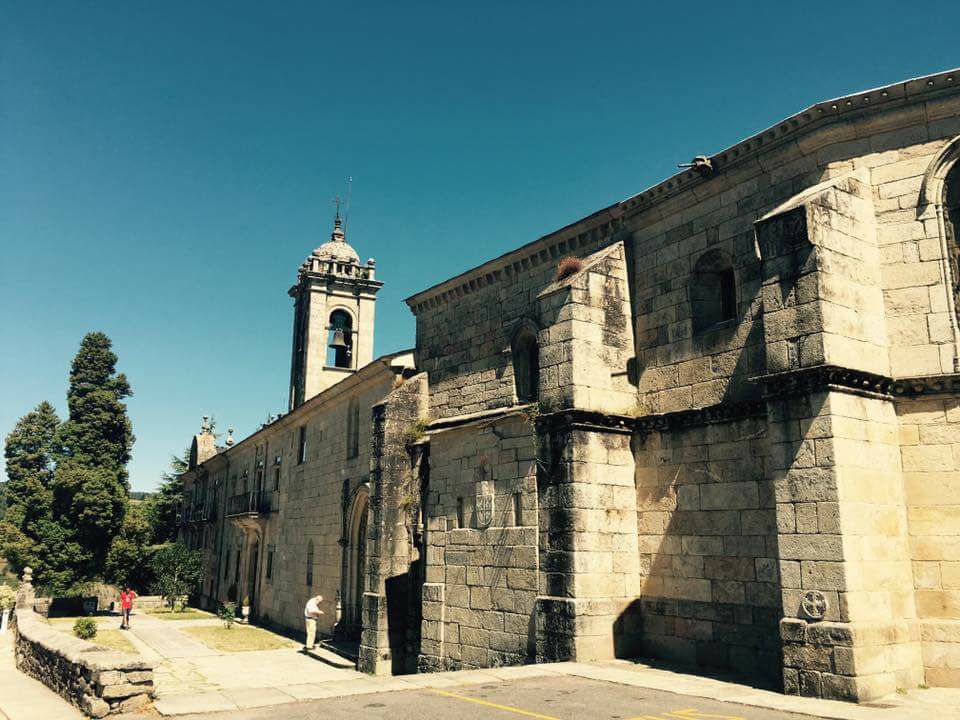 0912th c.
(12th century). Founded as a hospital and refuge for pilgrims, by two Italian friars. Today it is governed by the Order of Mercy. One of the most representative monuments of Sarria.
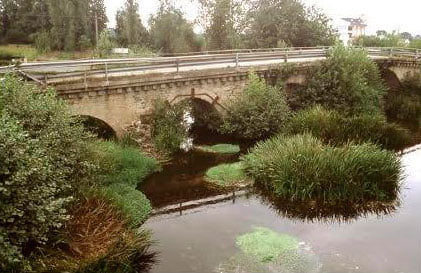
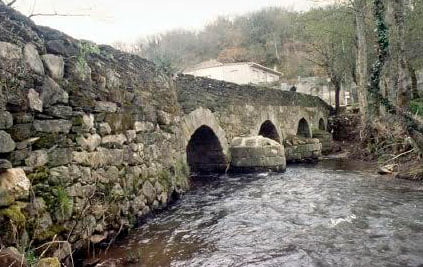 1018th c.
Reconstructed in the 18th century on a bridge of medieval origin. It is one of the most outstanding bridges on the French Pilgrim’s Way to Santiago de Compostela.
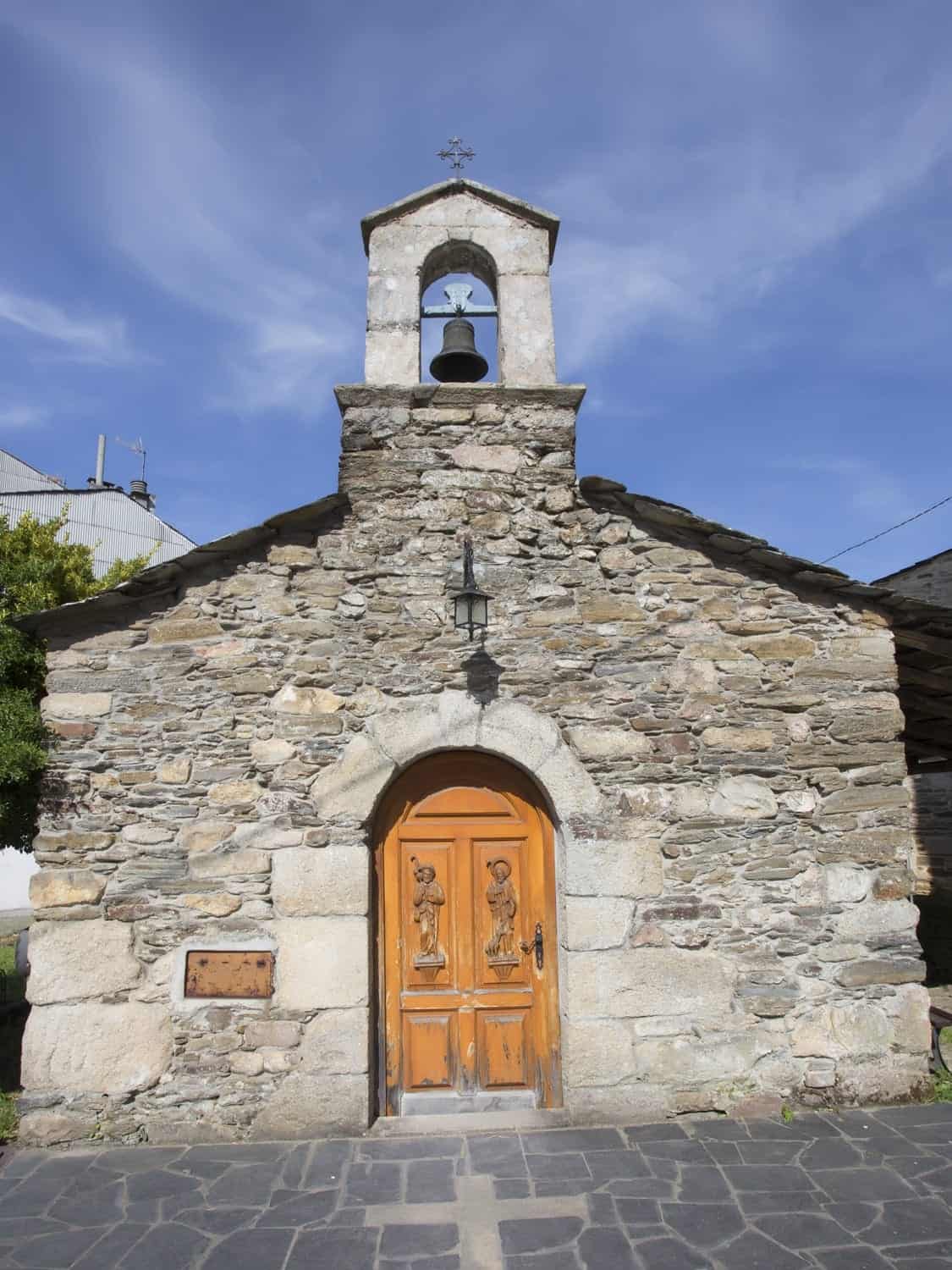 11
11(18th century). It is the only remnant of what was once the Hospital of San Lázaro, dedicated to curing people suffering from leprosy between the 15th and 17th centuries.
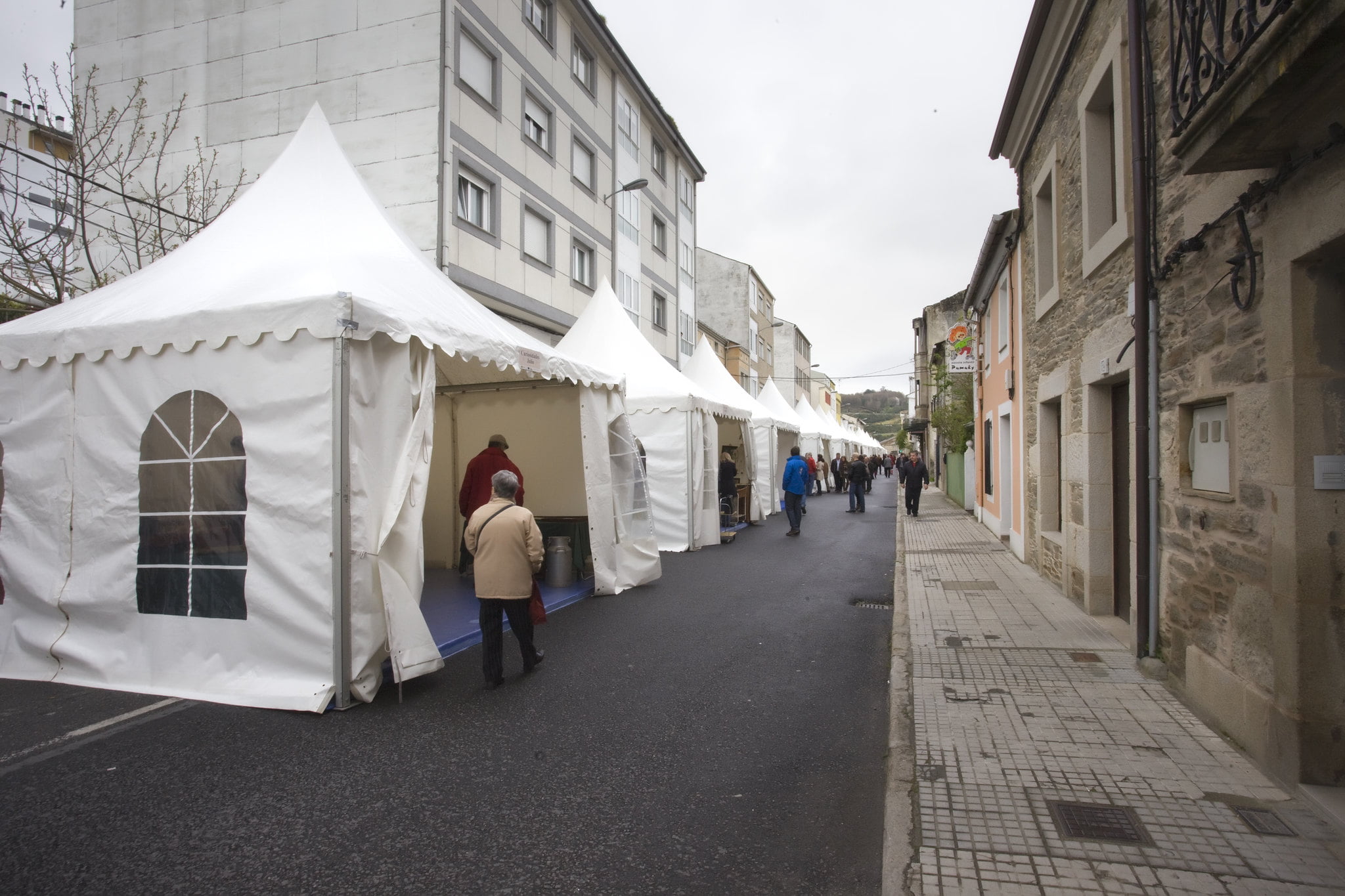 12
12If you are passionate about antiques or find furniture or pieces with a lot of history, this is the street for you. Enter the shops of the antique dealers and find your treasure.
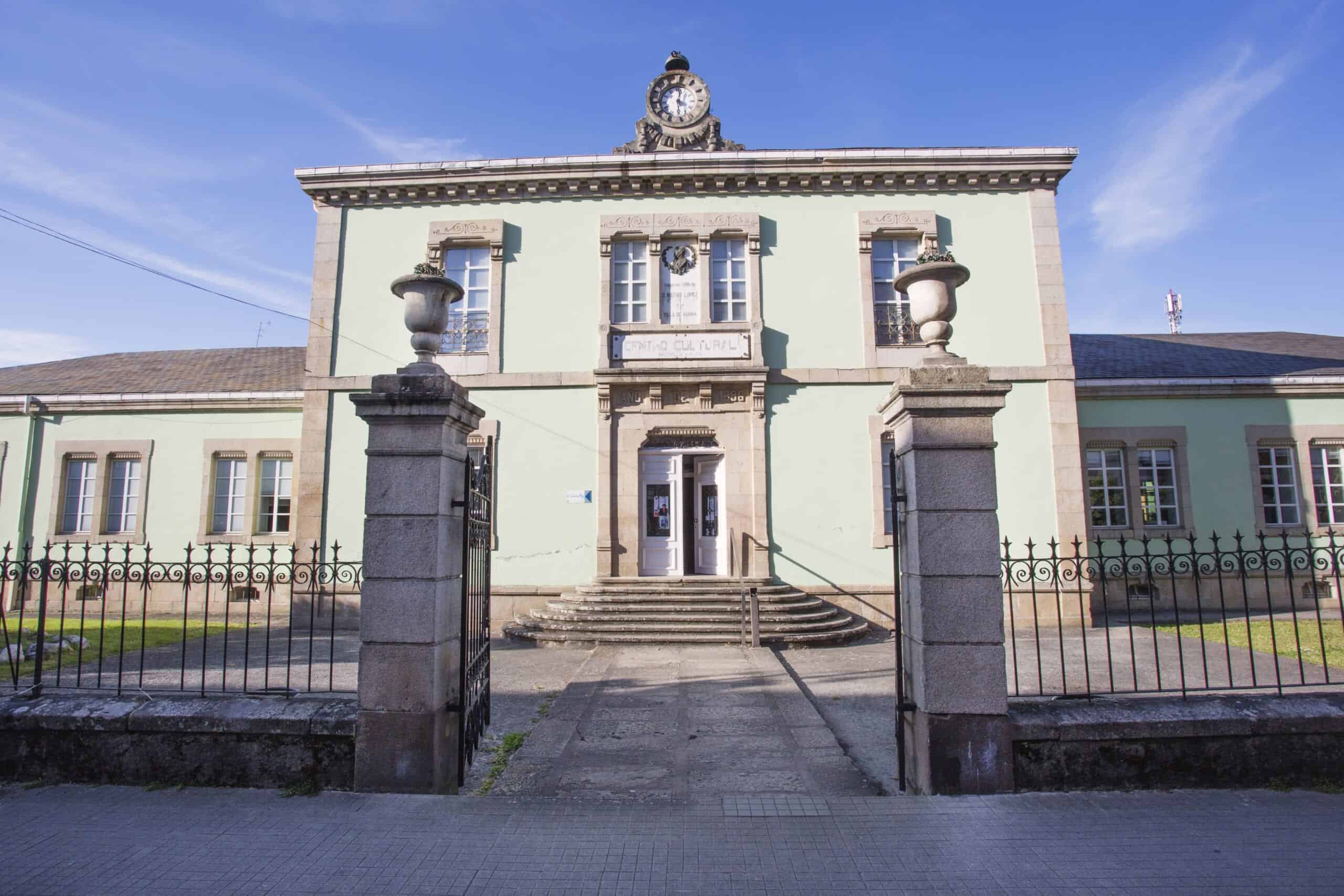 13
13In neoclassical style, it was the former Public Schools building and now houses the library and exhibition halls.
 14
14Foto: J.M. Díaz Bernárdez
 15
15The municipality of Sarria encloses within its borders a beautiful collection of Romanesque art in churches in the town and rural areas. Today you can still enjoy their beauty.
Foto: J.M. Díaz Bernárdez
Romanesque
The municipality of Sarria holds within its borders a beautiful collection of Romanesque art in the town churches and rural ones. Today you can still enjoy its beauty.

From the 12th century, with important alterations in the 18th. This was once the Monastery of St James of Barbadelo. Inside, the simple altarpiece is presided over by the carving of a Baroque pilgrim Saint James.
Its iconography stands out: lions, birds and snakes linked to medieval bestiaries, and complex human representations on the porch, tympana, capitals…
And if you have time
We are the head of the Terras de Sarria region, formed by the municipalities of O Incio, Láncara, Paradela, O Páramo, Samos, Sarria and Triacastela. All of them with beautiful natural landscapes.


