

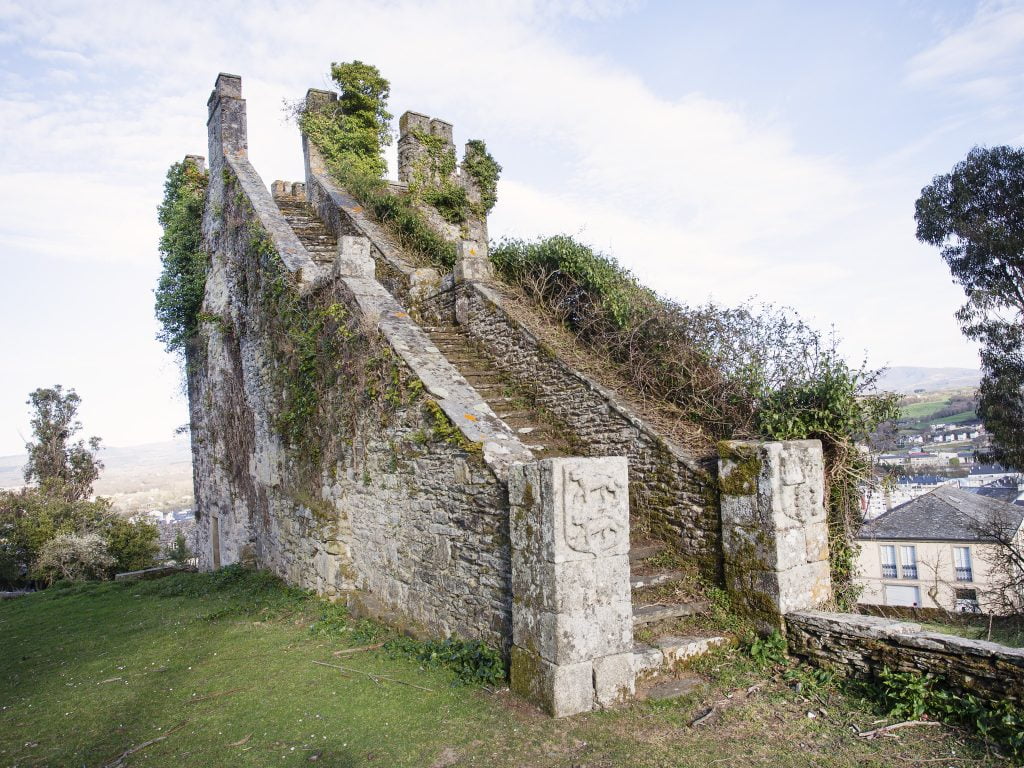
(13th century). Erected by the Counts of Sarria, demolished in the “Revolta Irmandiña” and raised again at the expense of the vassals of the “Cinco Pobras”. It stood until 1860. Today, only a flank tower remains.
News
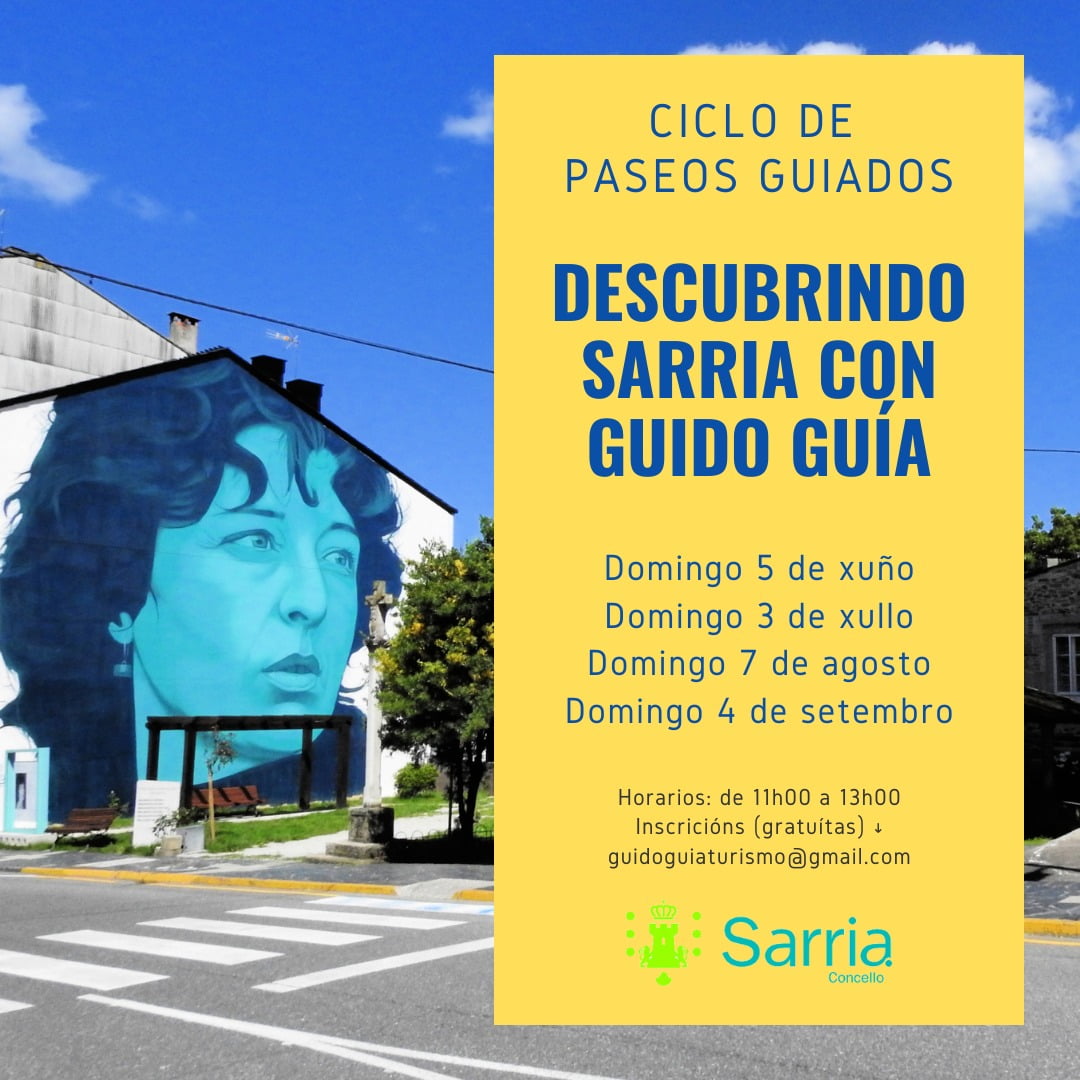
Discovering Sarria with Guido Guía
From June the City Council of Sarria offers you a very special cycle of activities: [...]
Continue reading
20
Apr
Apr
21
Oct
Oct
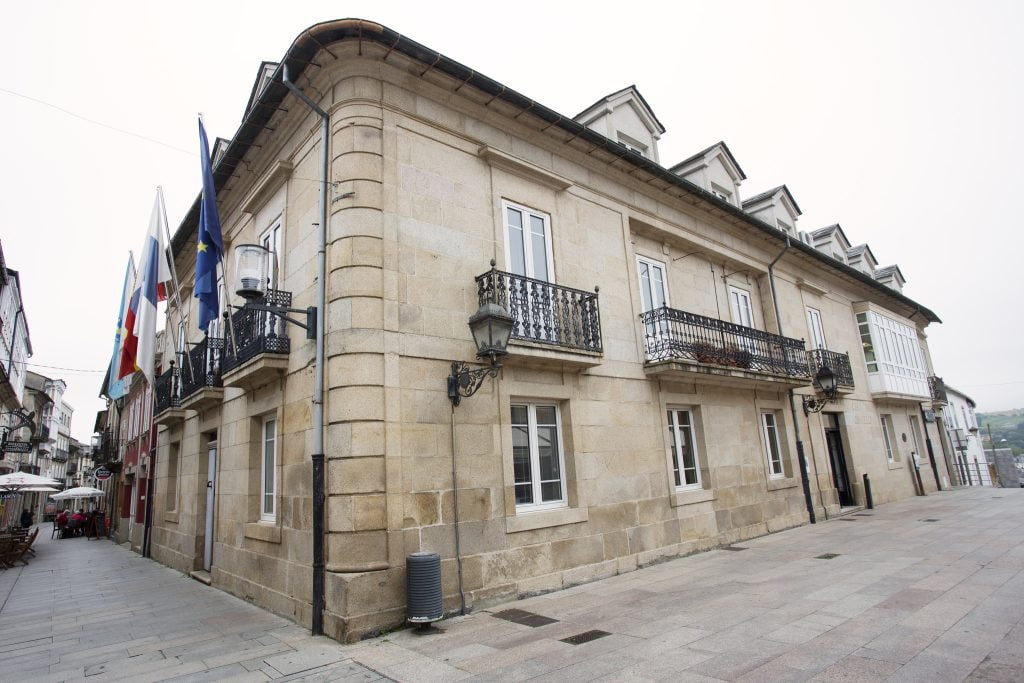
(19th century). Since 1920 it has been the Casa do Concello (Town Hall). On the main façade is the stone sculpture of the king Alfonso IX of León and Galicia.

21
Oct
Oct
(1885). Located in the old market square, occupying the site of an old Romanesque church dating back to the 13th century.
21
Oct
Oct
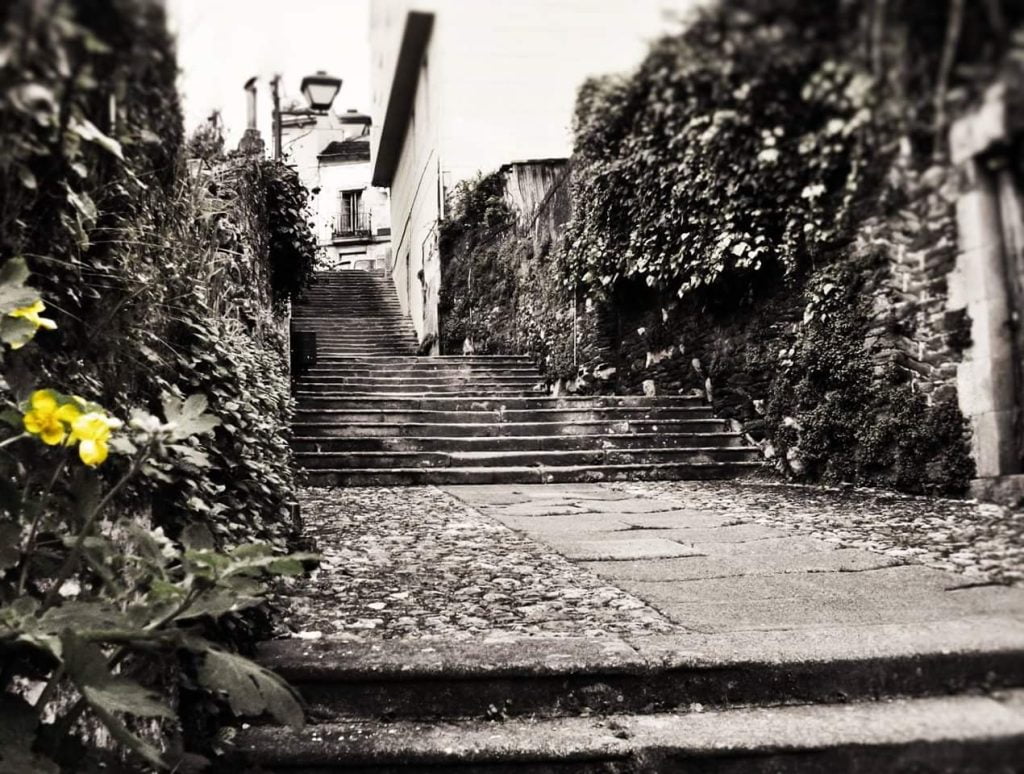
The “Escaleira da Fonte” or Main Staircase was built in the mid-19th century and is a very representative element of the French Camino de Santiago, as it gives access to the old area of the village.
10
Sep
Sep
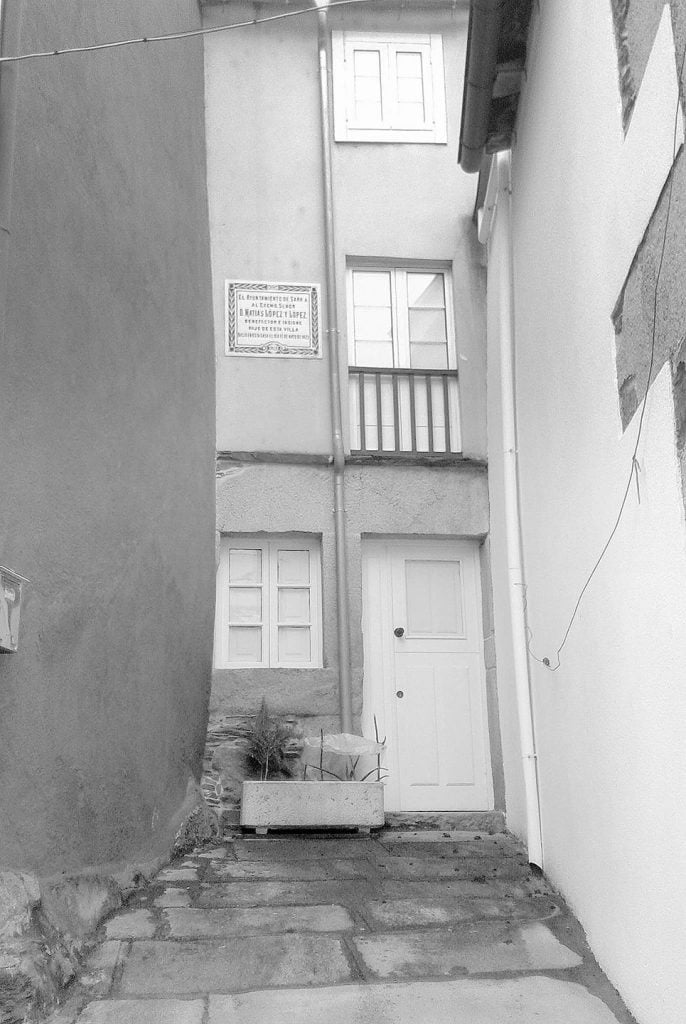
It was the home of the chocolate industrialist, politician and philanthropist, who introduced modern commercial advertising in Spain.
10
Sep
Sep
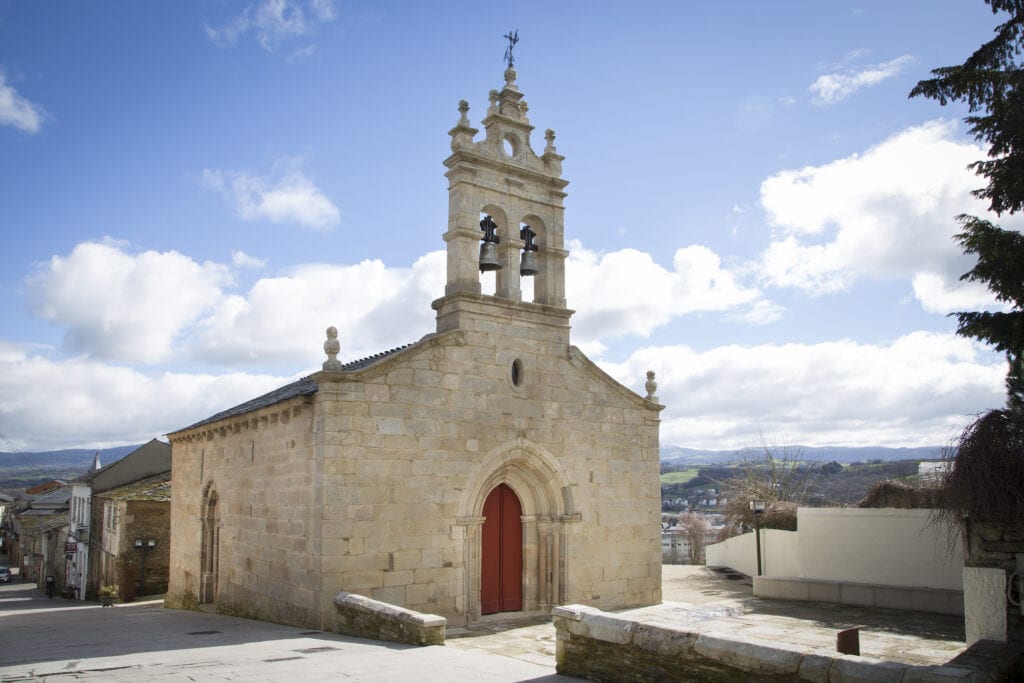
(13th century). It shows some Romanesque elements and Gothic arches and doors. Outstanding on the outside are the medieval ironwork and capitals with human heads, scrolls, the Tree of Life, rosettes and nail points.
10
Sep
Sep
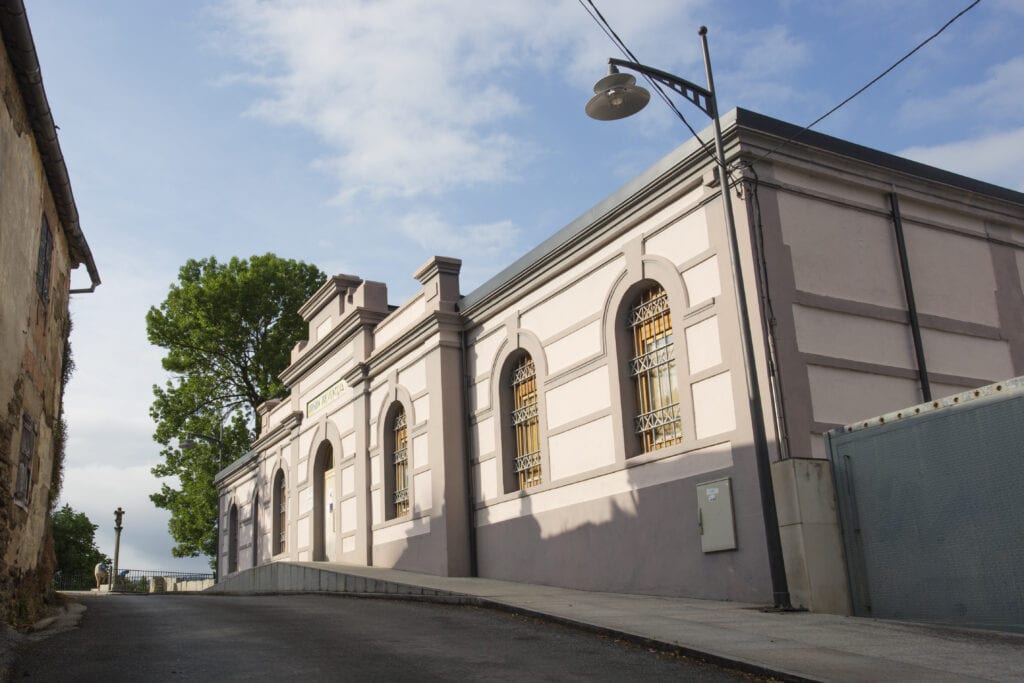
Today it houses the Municipal Tourist Office of Sarria, as well as diverse cultural activities.
10
Sep
Sep
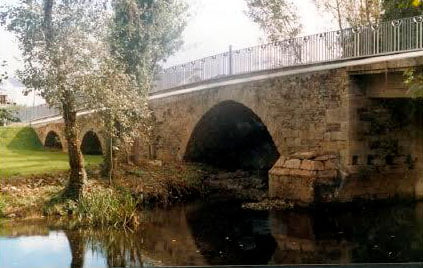
Bridge from 12th century that crosses the Sarria River along the route of the French Way and stops at Fonte Ribeira and at the “Homage to the Pilgrim” sculptural ensemble.
