

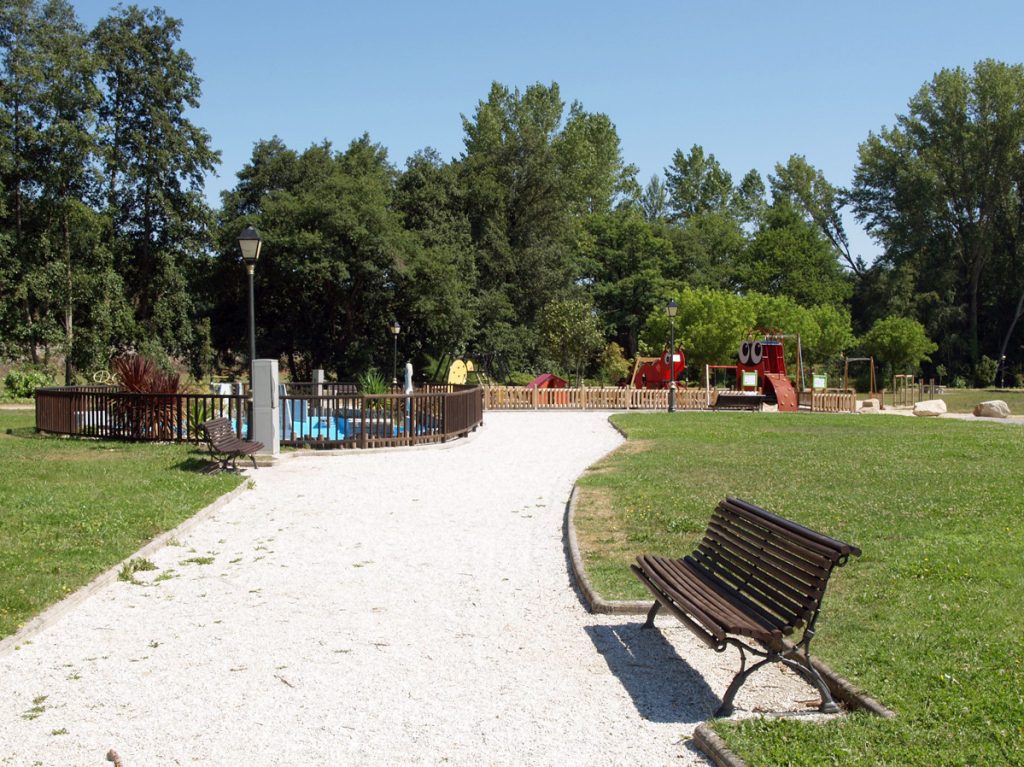
This is a green area next to the river Celeiro with a picnic area, children’s playground and car park. It also has an open-air amphitheatre, by the Sarrian sculptor Xosé Díaz Fuentes, made up of large sculptures.
News
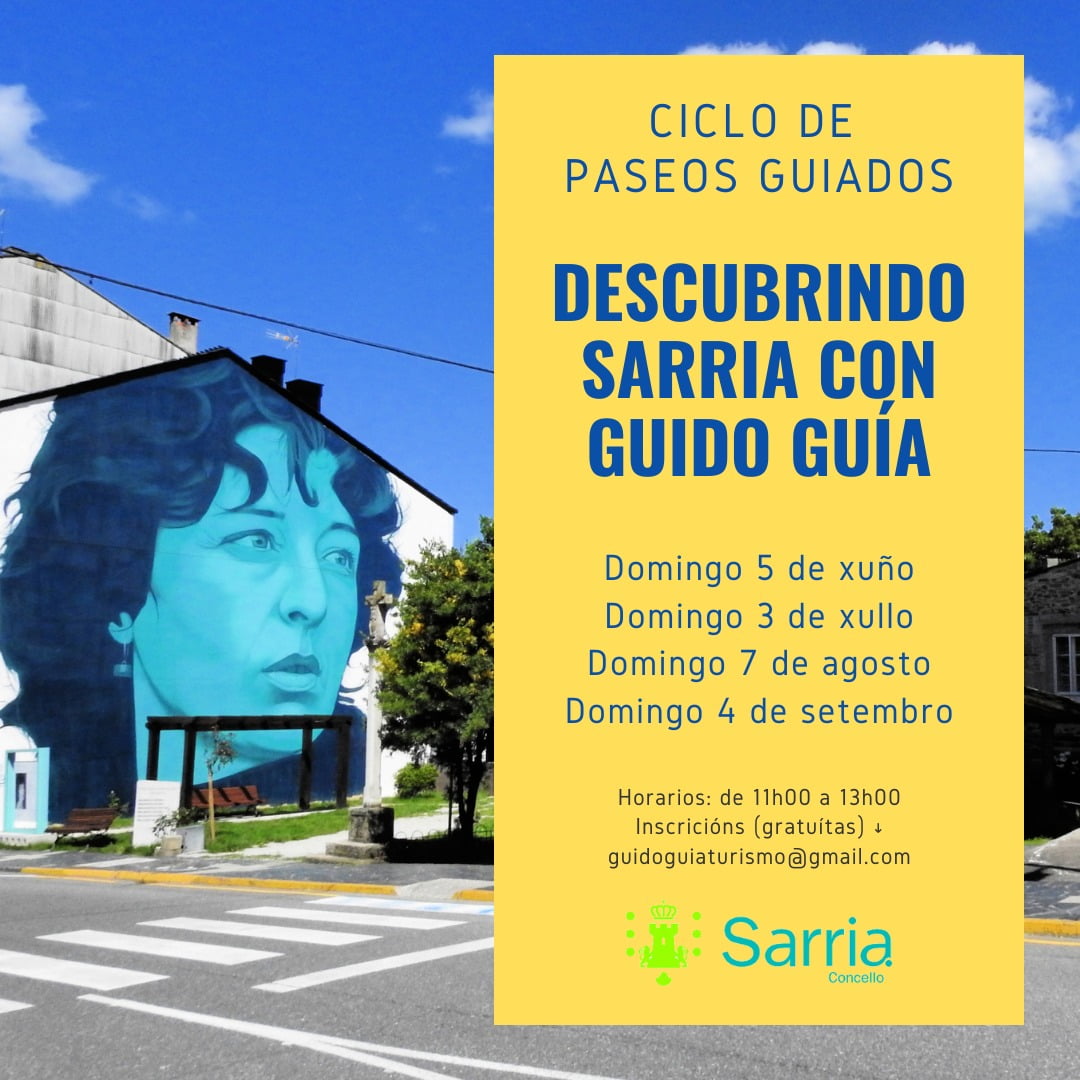
Discovering Sarria with Guido Guía
From June the City Council of Sarria offers you a very special cycle of activities: [...]
Continue reading
20
Apr
Apr
29
Oct
Oct
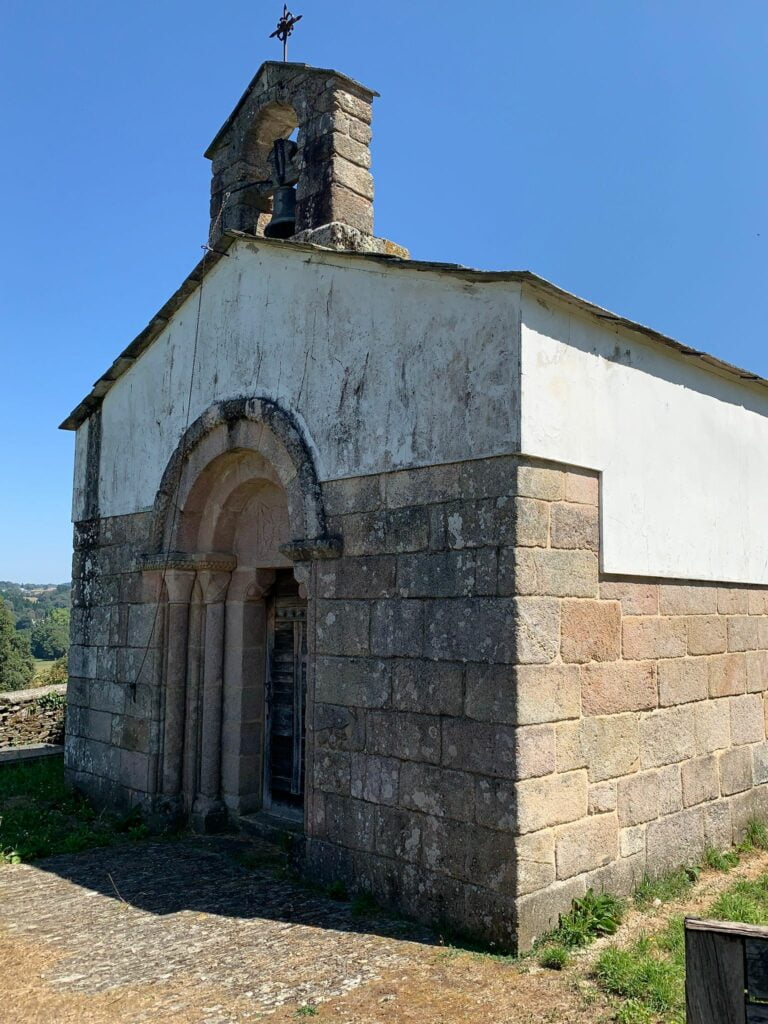
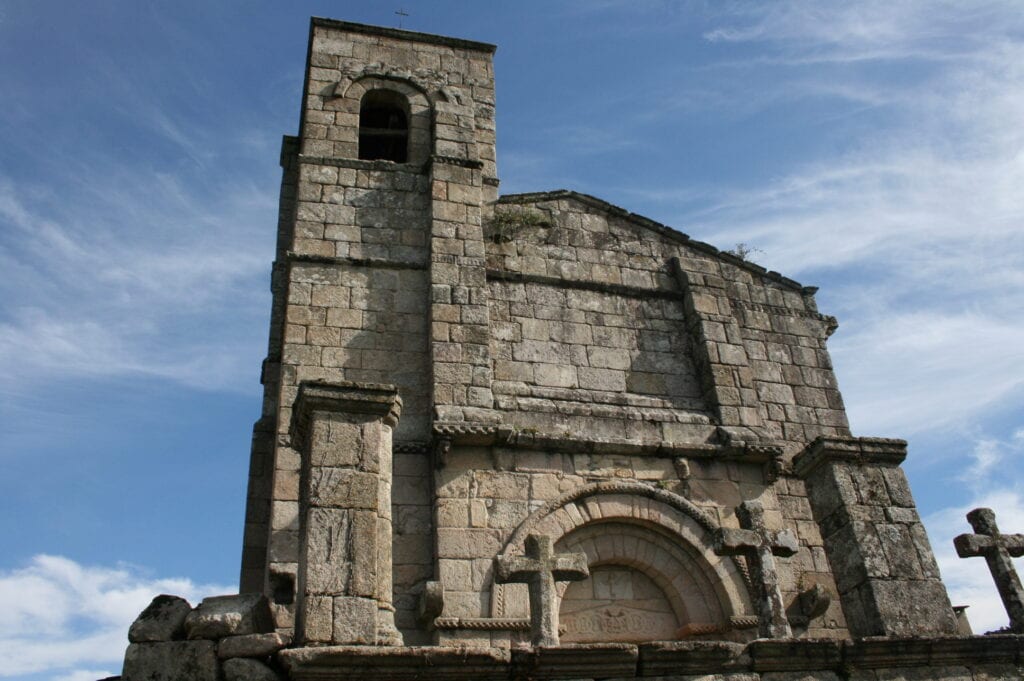
Church with a nave that preserves its characteristics both in the door and in the apse.
29
Oct
Oct
The church belonged to the monastery that the Benedictines had there. Very interesting main door with pentagonal tympanum, side door and tower from the period. Asset of Cultural Interest (BIC) since 2008.
29
Oct
Oct
The church belonged to the monastery that the Benedictines had there. Very interesting main door with pentagonal tympanum, side door and tower from the period. Asset of Cultural Interest (BIC) since 2008.
29
Oct
Oct
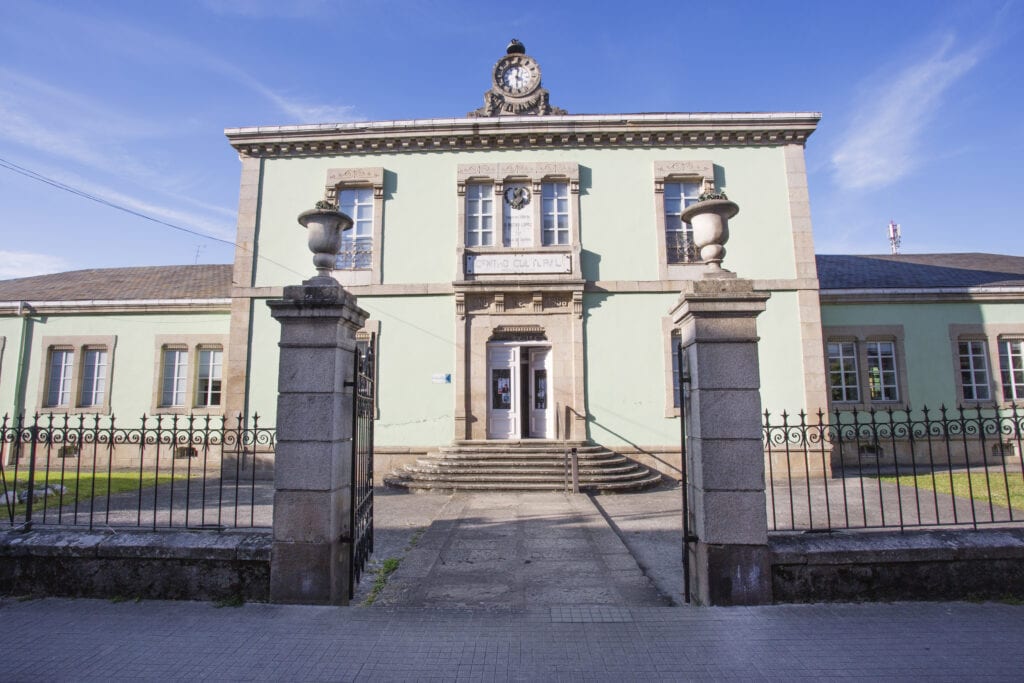
In neoclassical style, it was the former Public Schools building and now houses the library and exhibition halls.
28
Oct
Oct
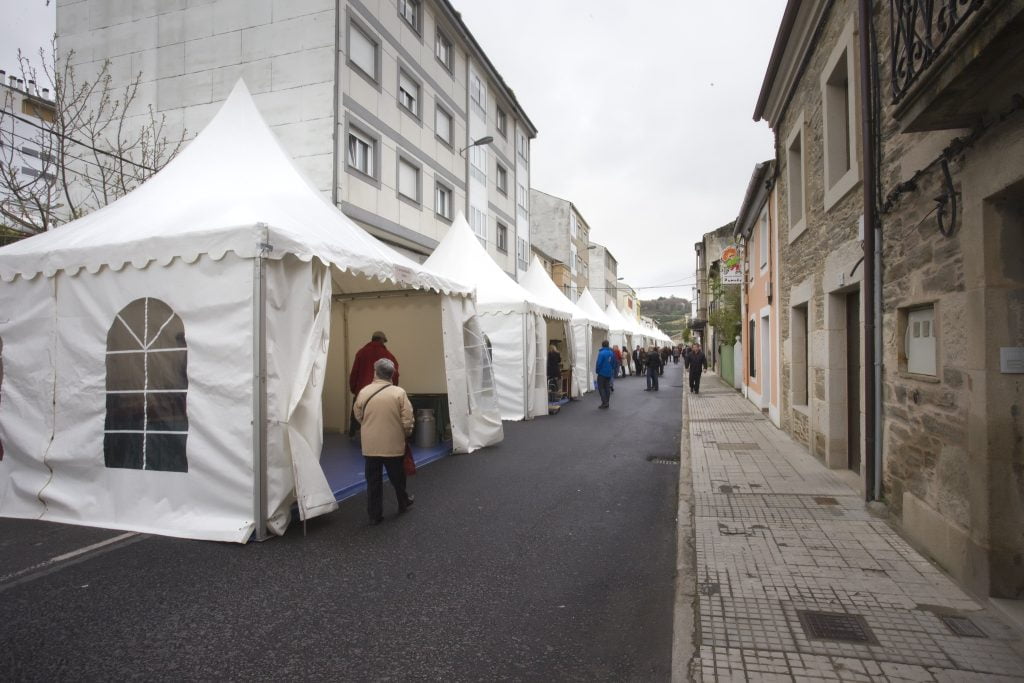
If you are passionate about antiques or find furniture or pieces with a lot of history, this is the street for you. Enter the shops of the antique dealers and find your treasure.
28
Oct
Oct
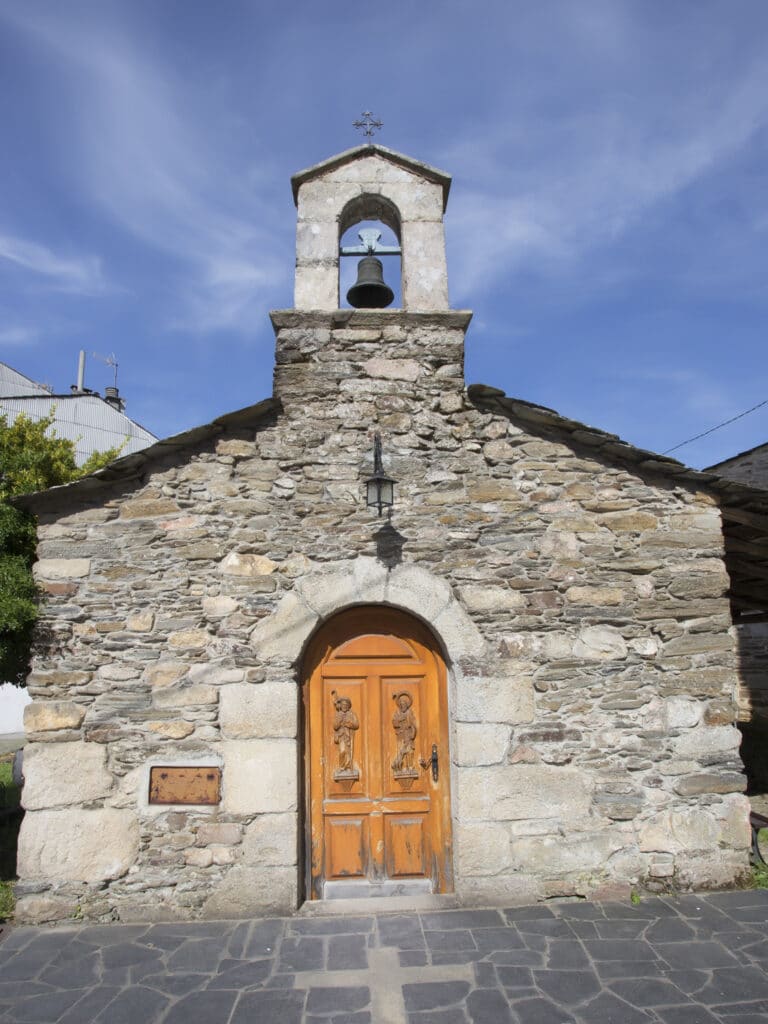
(18th century). It is the only remnant of what was once the Hospital of San Lázaro, dedicated to curing people suffering from leprosy between the 15th and 17th centuries.
28
Oct
Oct
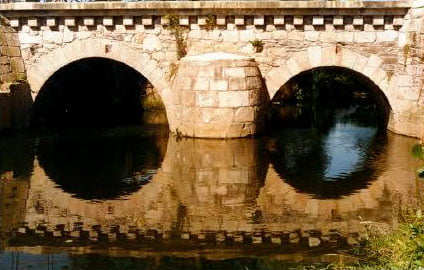
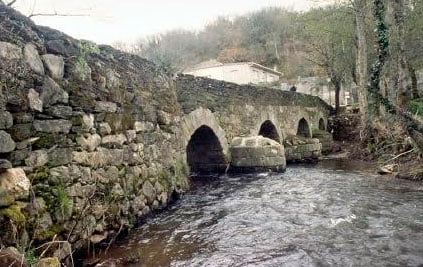
Reconstructed in the 18th century on a bridge of medieval origin. It is one of the most outstanding bridges on the French Pilgrim’s Way to Santiago de Compostela.
28
Oct
Oct
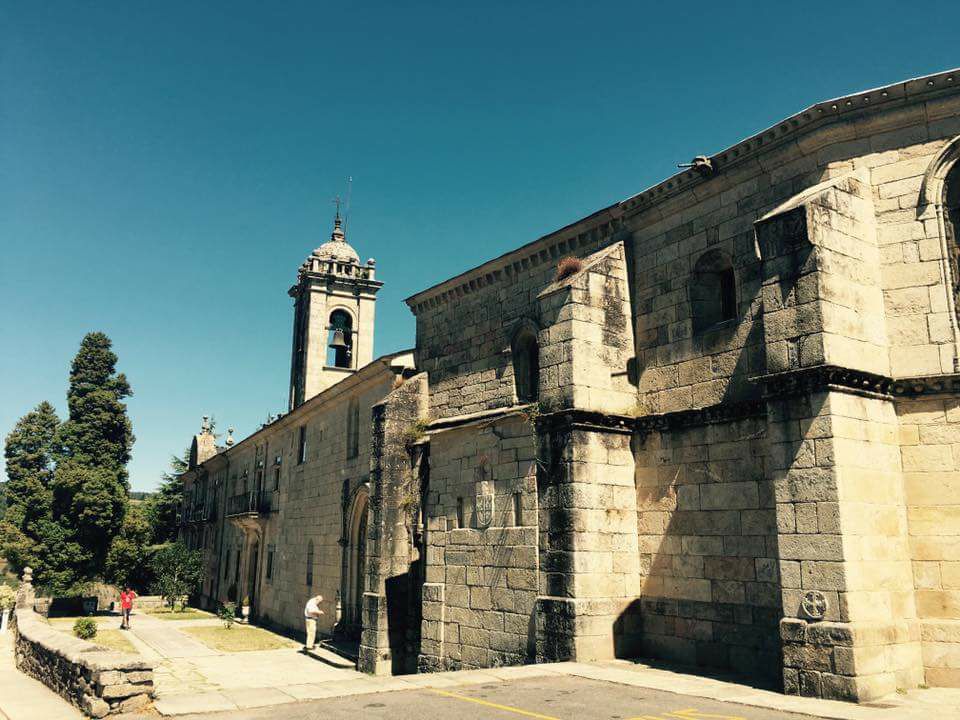
(12th century). Founded as a hospital and refuge for pilgrims, by two Italian friars. Today it is governed by the Order of Mercy. One of the most representative monuments of Sarria.
