

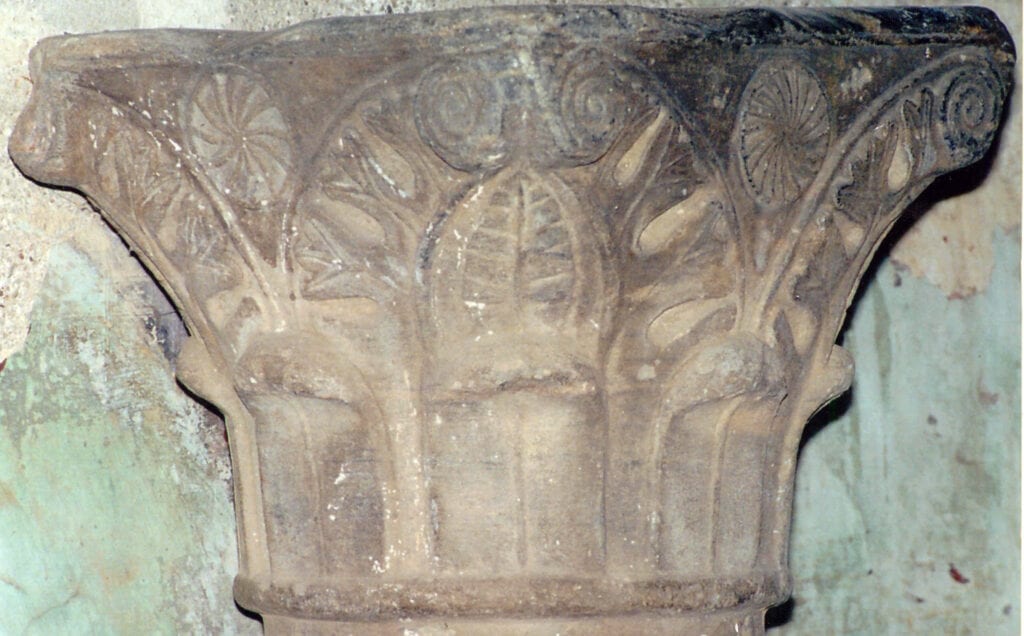
“Although the Church of Santo Estevo de Calvor is already mentioned as early as the year 785, today there are hardly any exterior traces of its ancient origin. However, there is one piece inside —a holy water font— whose design allows it to be dated to the Visigothic period.”
News
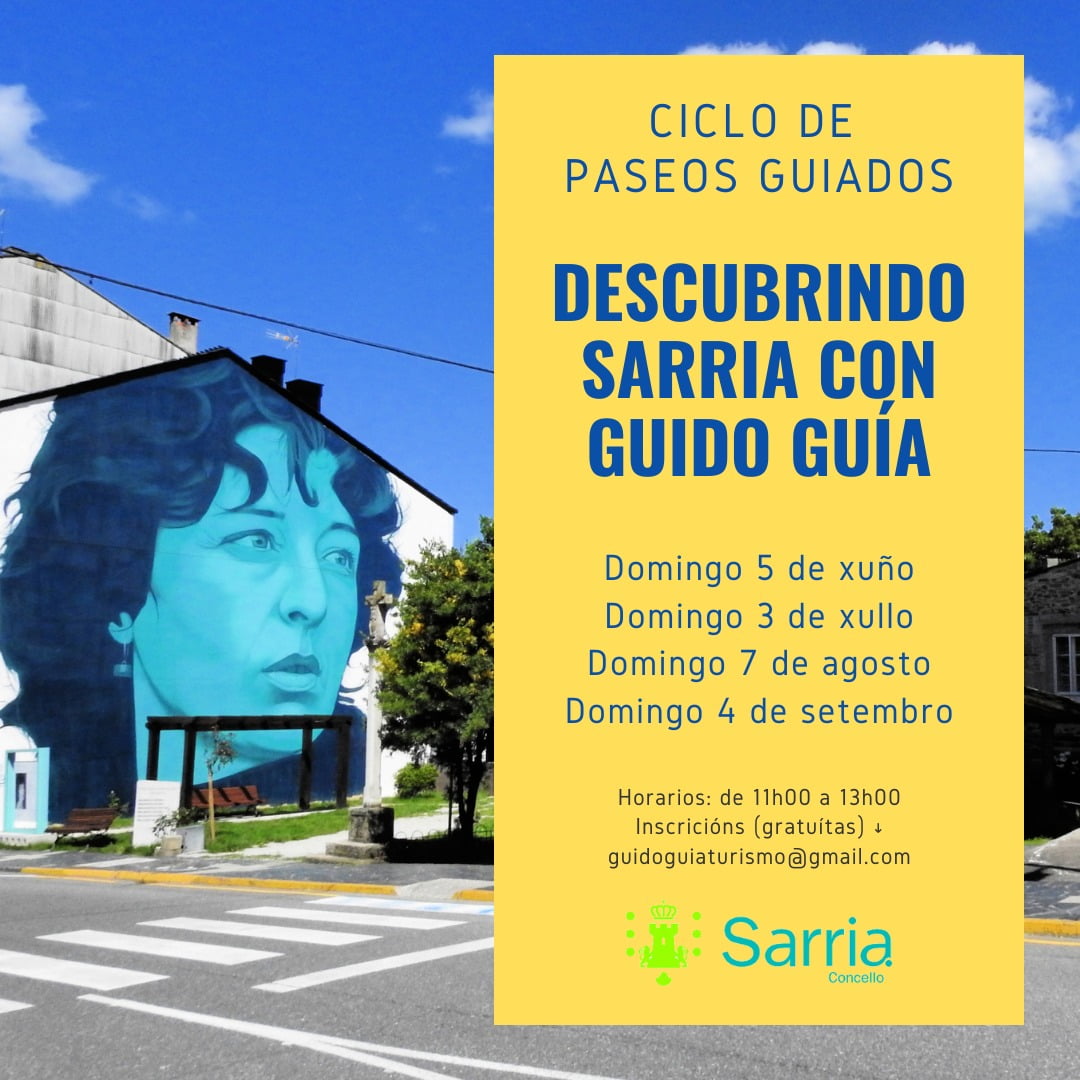
Discovering Sarria with Guido Guía
From June the City Council of Sarria offers you a very special cycle of activities: [...]
Continue reading
20
Apr
Apr
29
Oct
Oct
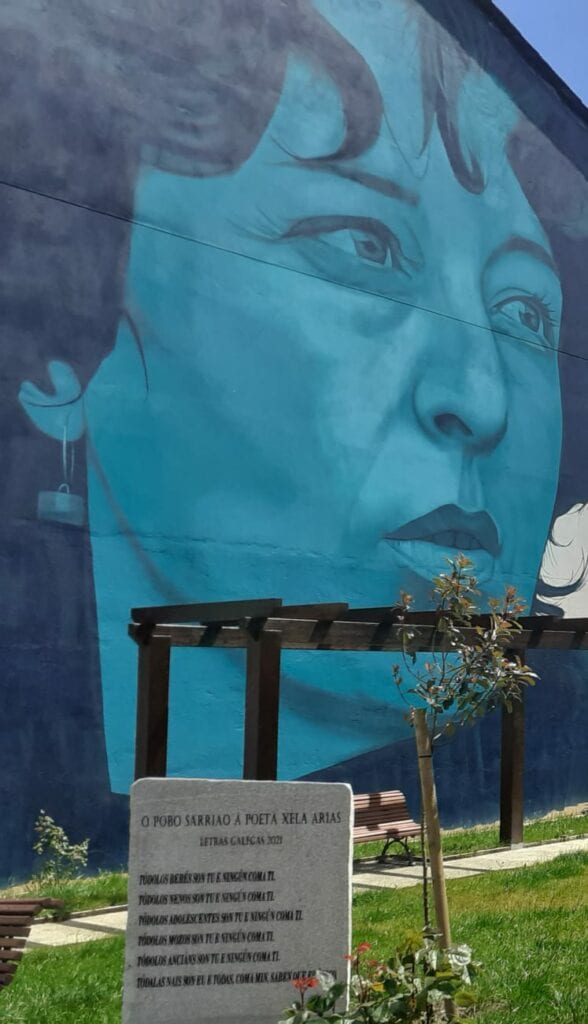
The mural of Xela Arias in Sarria, created by the artist Mon Devane, depicts a large-scale, realistic and expressive portrait of the writer, standing out within the urban landscape. It is accompanied by a monolith engraved with a poem from the book Darío a diario (1996), creating a space that connects public art with literary […]
29
Oct
Oct
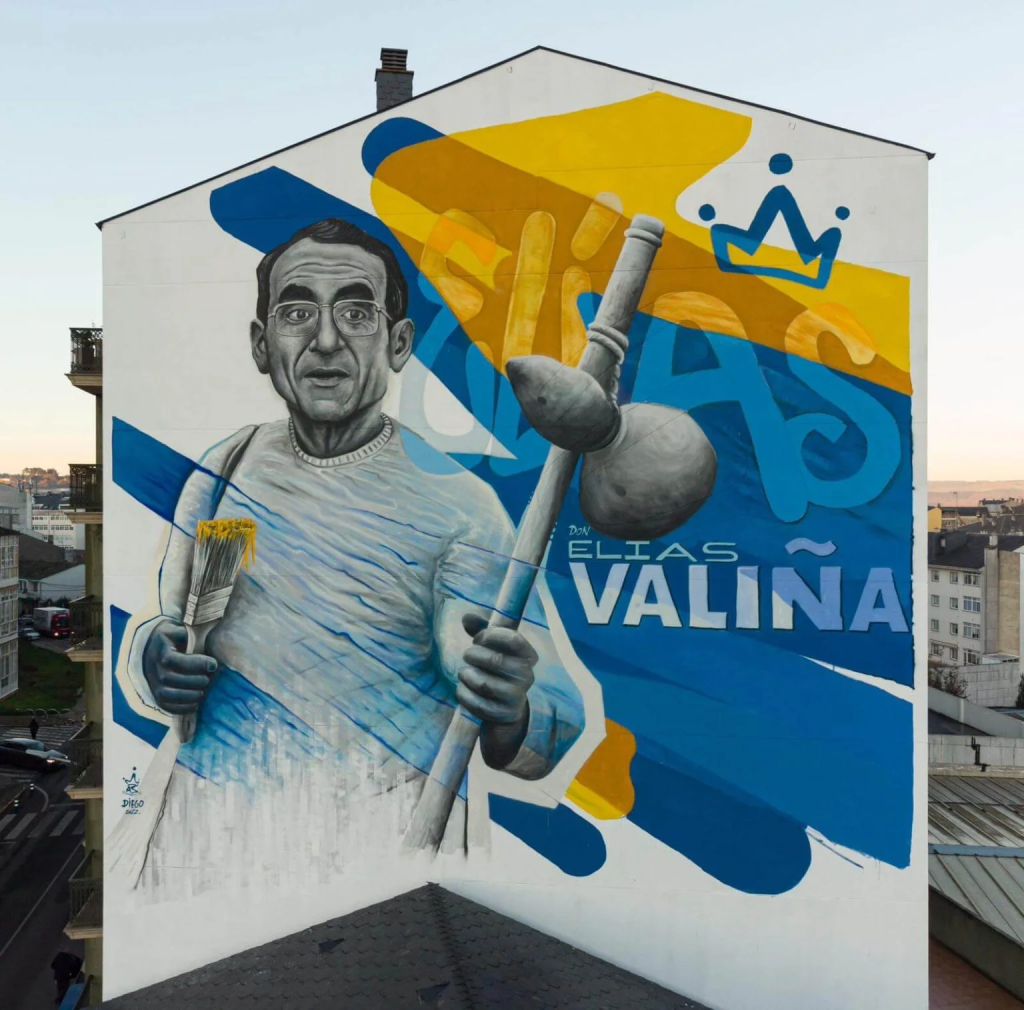
The man who revitalized the Camino with work, perseverance and effort, the inventor of the yellow arrow, the priest of O Cebreiro, is part of the cultural and historical heritage of Sarria and now also of urban art with the mural by the Lugo artist Diego As. Elías Valiña Sampedro was born in Lier (Sarria) […]
29
Oct
Oct
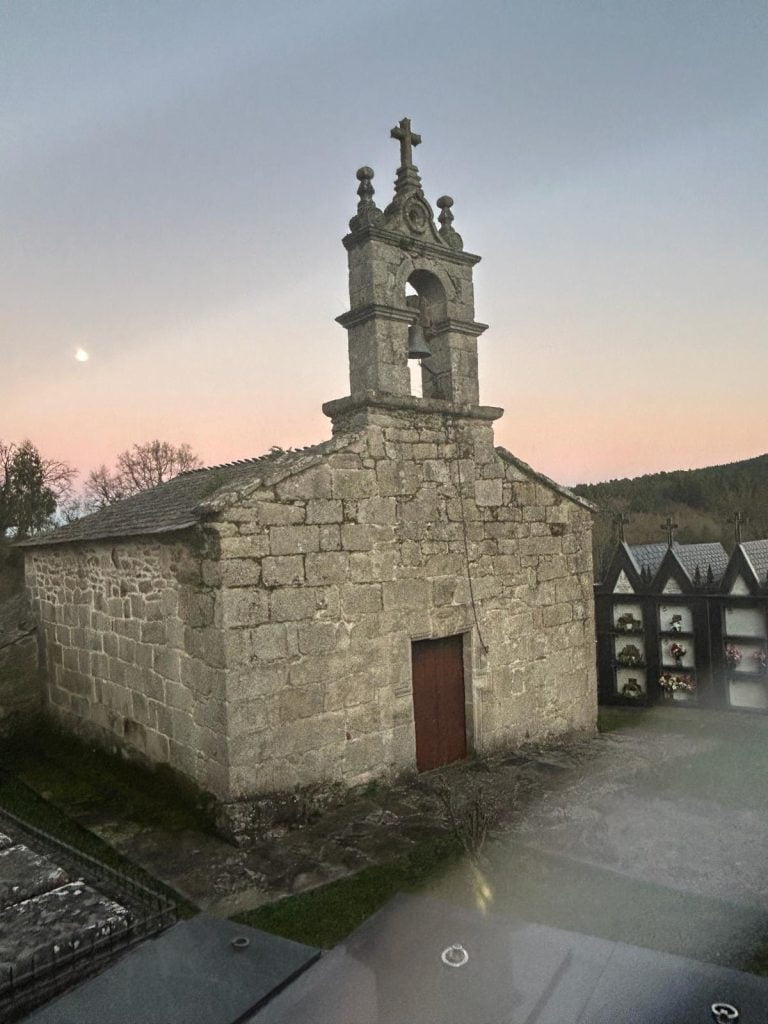
Although dated to the 12th century, only the presbytery and the triumphal arch remain from the Romanesque period, as it was rebuilt in the 18th and 20th centuries.
29
Oct
Oct
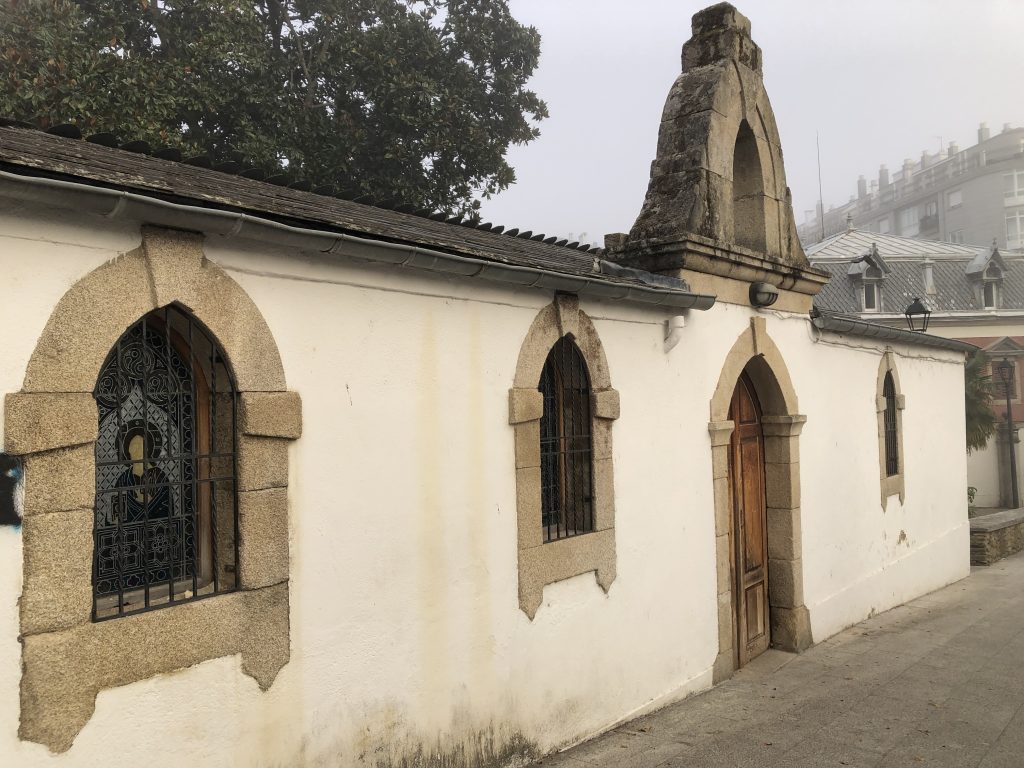
A small chapel built in the 19th century, featuring a stone façade crowned by a bell tower. Inside, the main altarpiece stands out, depicting the Virgin Mary under the invocation of Our Lady of Perpetual Help.
29
Oct
Oct
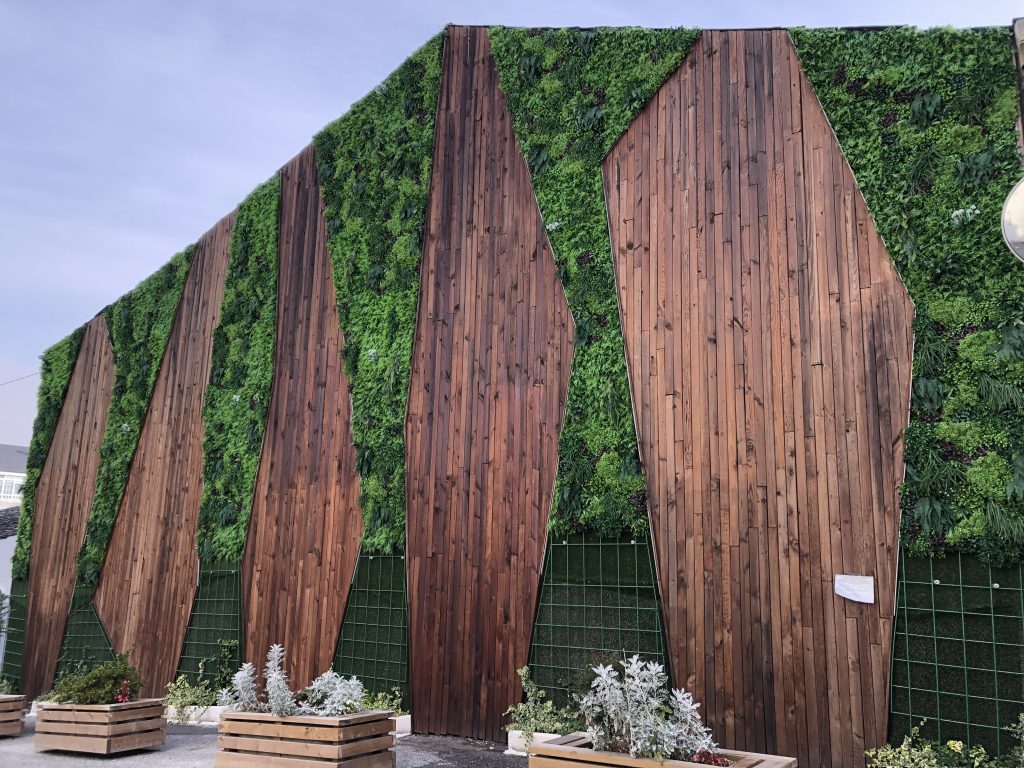
The vertical garden of Sarria, promoted by the City Council and funded with European funds, is a landscape architecture project that transforms the façade of an out-of-order dwelling on the French Way of St. James. Turned into a visual and ecological landmark, it reinforces urban identity and sustainability without altering the historical memory of the […]
29
Oct
Oct
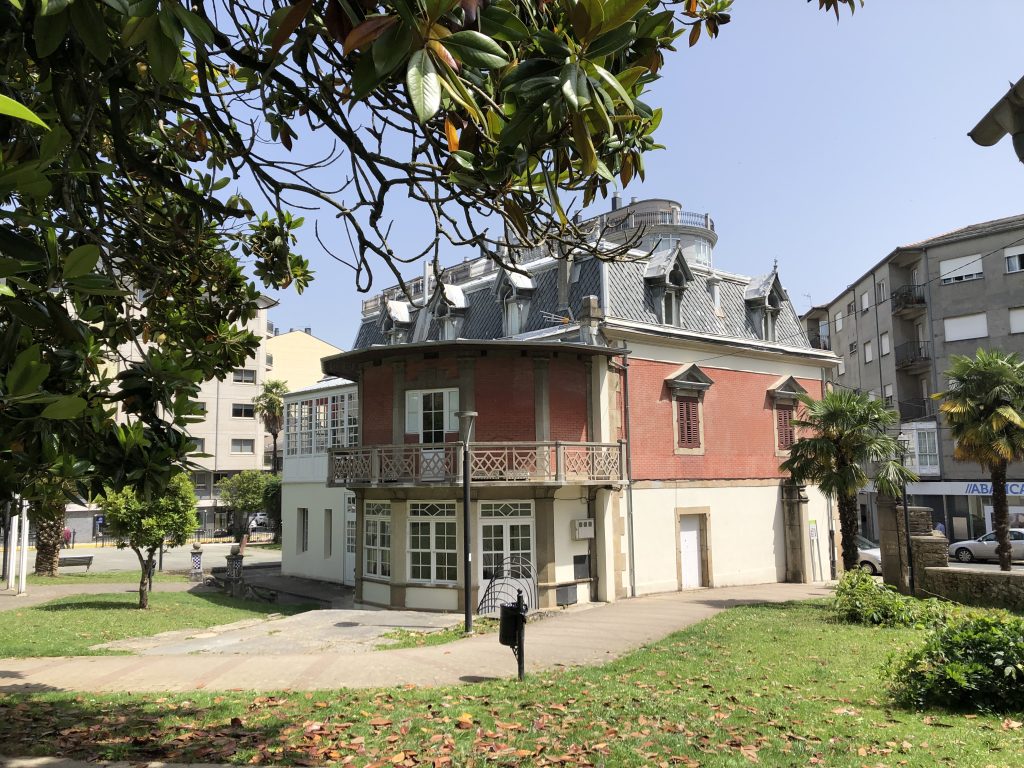
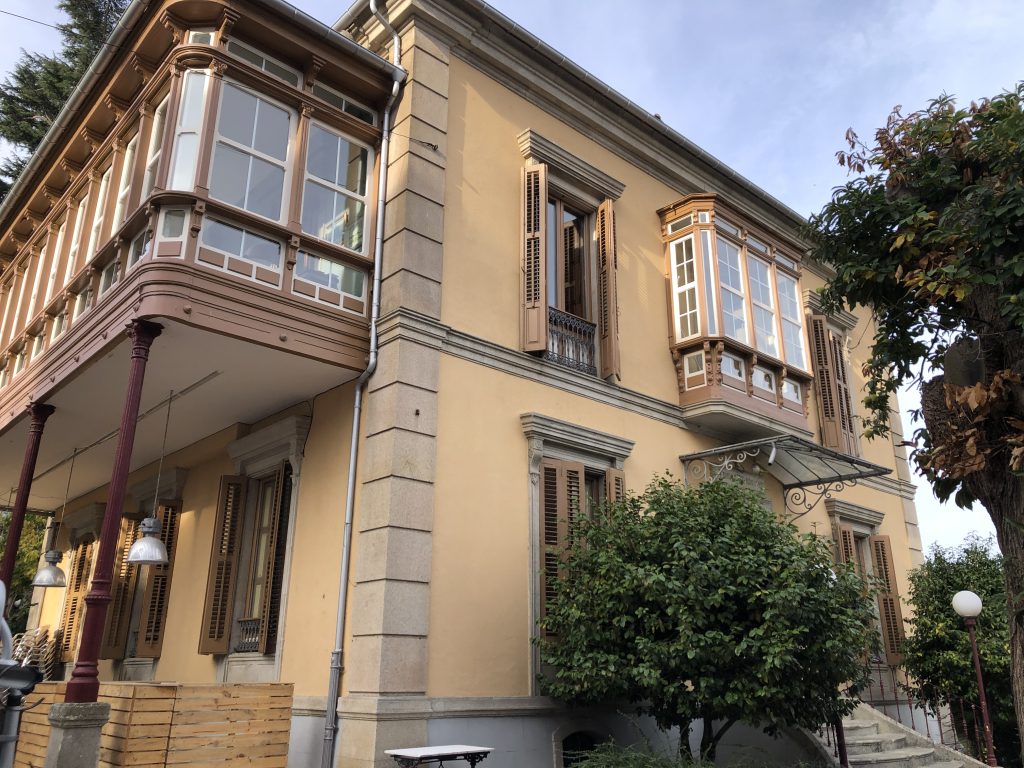
Villa Andrea is a historic residence promoted in 1880 by the chocolate industrialist Matías López López, named after his wife. Located in today’s Plaza da Vila, the heart of Sarria, it welcomed illustrious figures such as Emilia Pardo Bazán and even served as a hospital during the Civil War. Its garden makes this space a […]
29
Oct
Oct
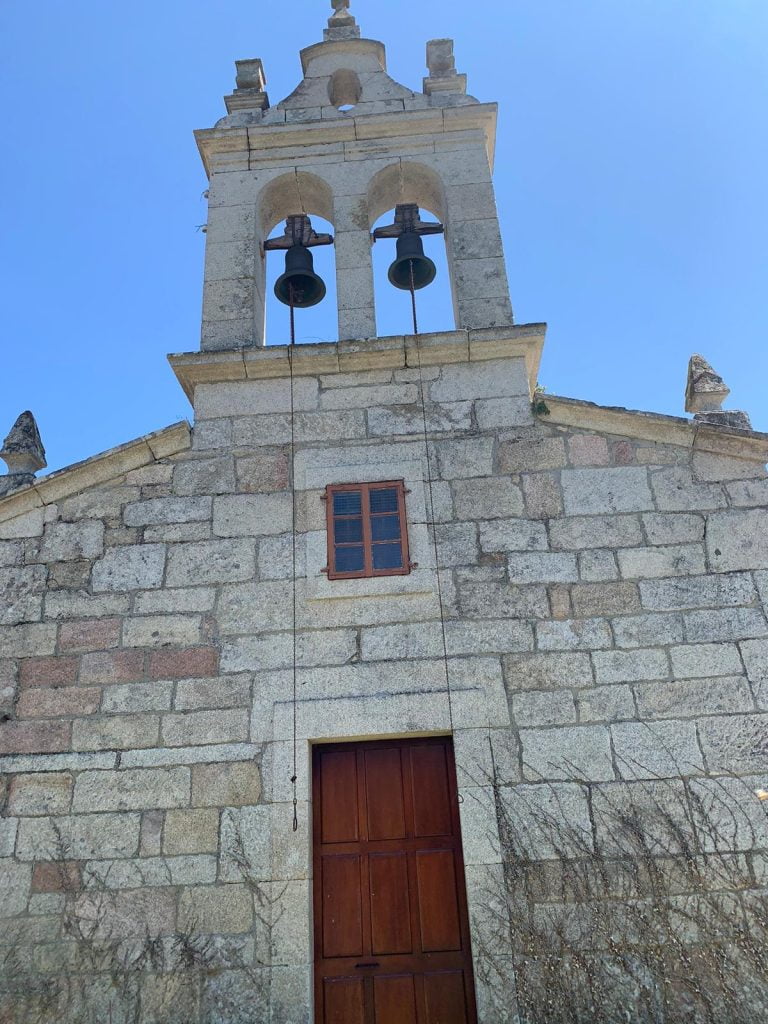
La Unión, a cultural and recreational society founded in 1919, is a benchmark of social life in Sarria. Since 1931, it has been based in Villa Aurelia, a building and gardens acquired in 1965, becoming a symbol of coexistence and civic participation. Another 19th-century manor house is the well-known “Quinta de los Madrileños,” also promoted […]
29
Oct
Oct
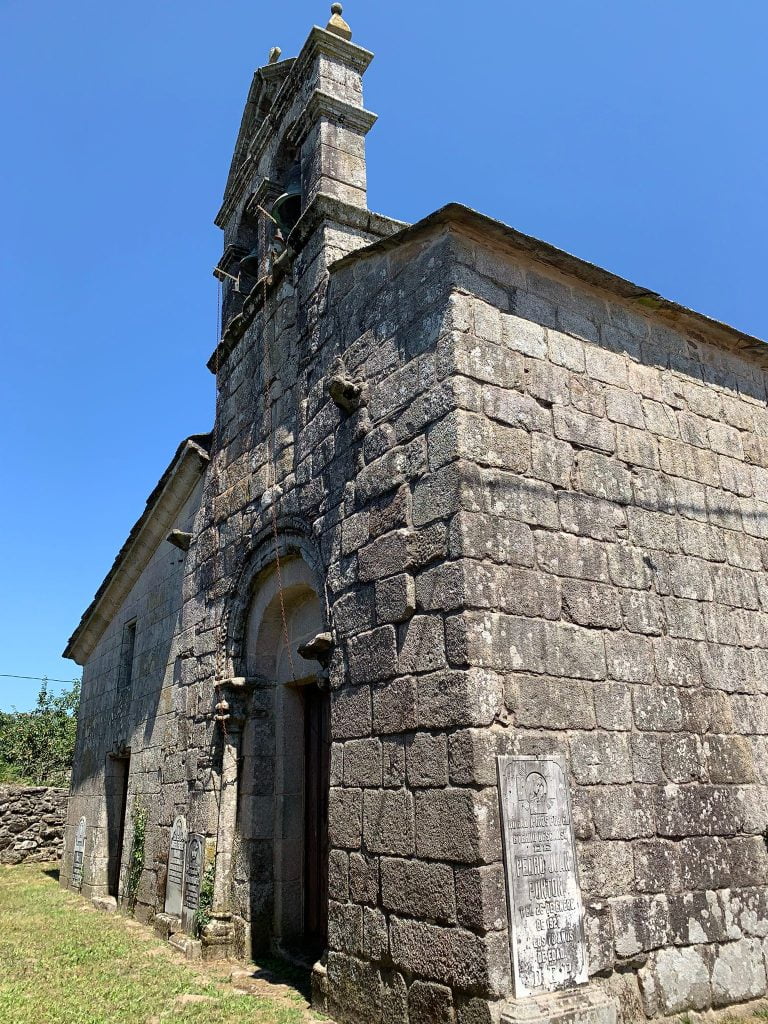
The church underwent modern enlargements and reconstructions after a fire in the 20th century. Of the original Romanesque temple, only the apse and part of the north wall remain. In the 16th century, a lateral chapel dedicated to the Virgin was added. The interior preserves no Romanesque remains, having been replaced by modern structures. The […]
29
Oct
Oct
The Church of San Julián de Chorente in Sarria is a historic spot with Romanesque remains that reveal the medieval influence in the region. Its western doorway and baptismal font stand out as witnesses of a past that still endures and that was later incorporated into Baroque renovations.
