

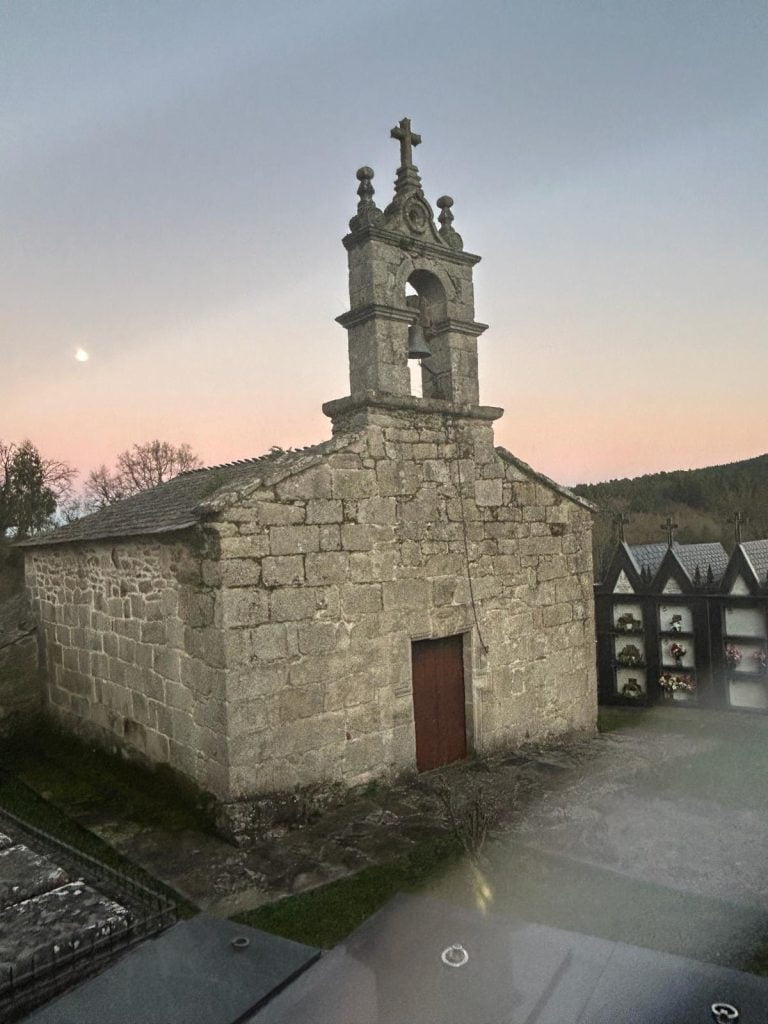
Although dated to the 12th century, only the presbytery and the triumphal arch remain from the Romanesque period, as it was rebuilt in the 18th and 20th centuries.
News
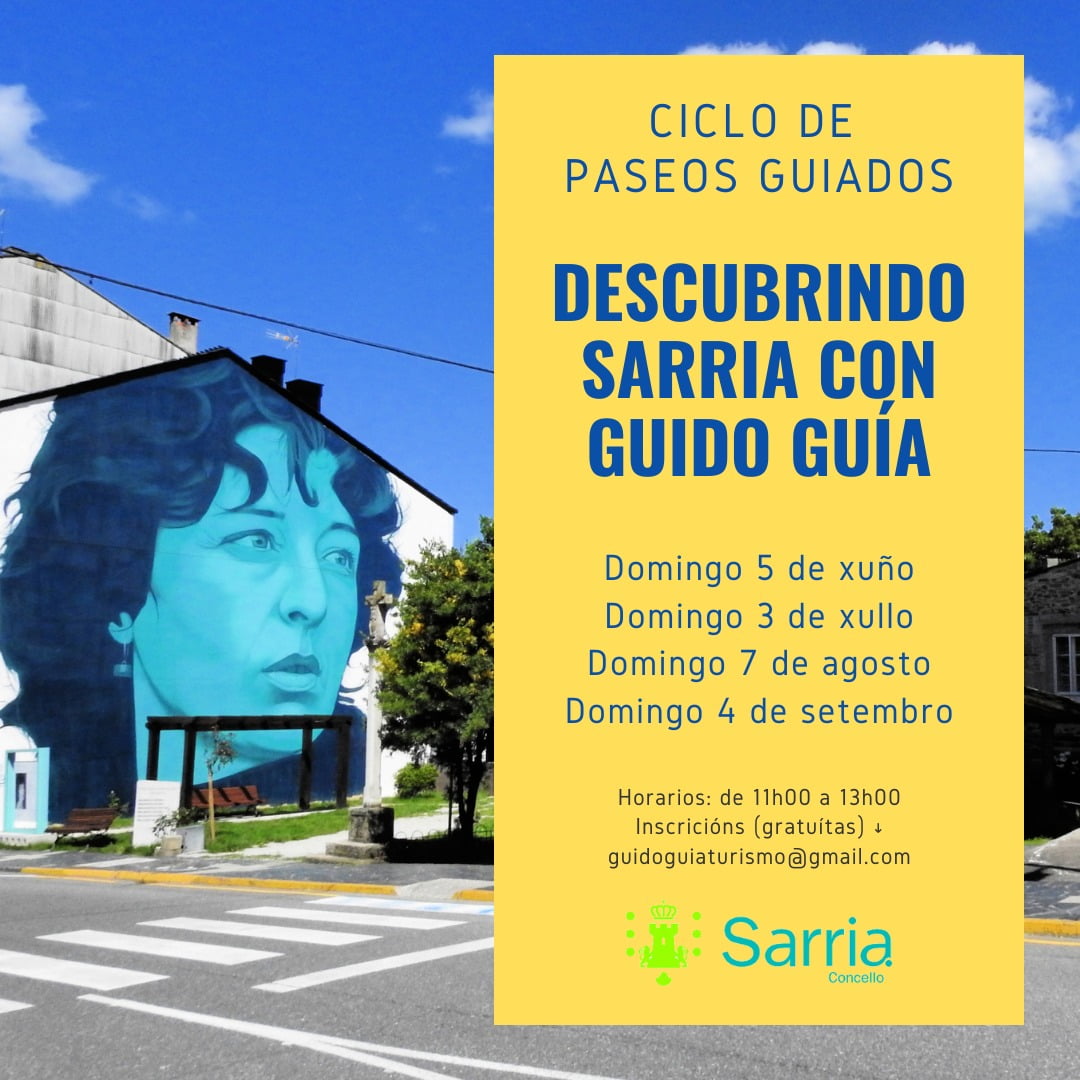
Discovering Sarria with Guido Guía
From June the City Council of Sarria offers you a very special cycle of activities: [...]
Continue reading
20
Apr
Apr
29
Oct
Oct
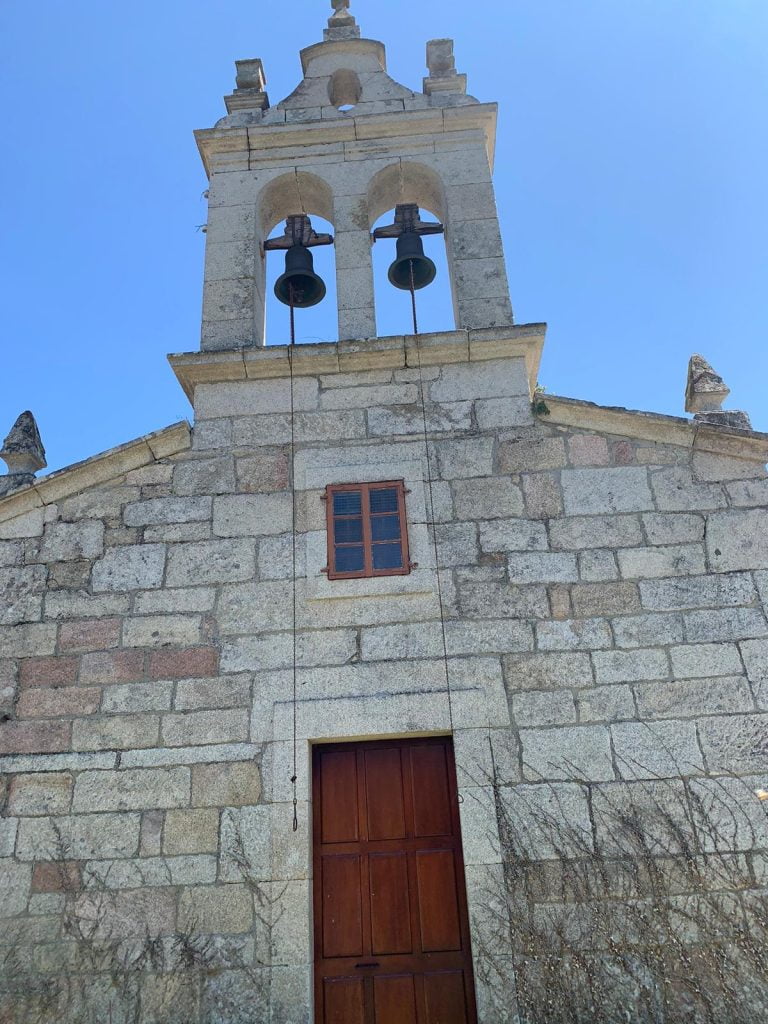
The church underwent modern enlargements and reconstructions after a fire in the 20th century. Of the original Romanesque temple, only the apse and part of the north wall remain. In the 16th century, a lateral chapel dedicated to the Virgin was added. The interior preserves no Romanesque remains, having been replaced by modern structures. The […]
29
Oct
Oct
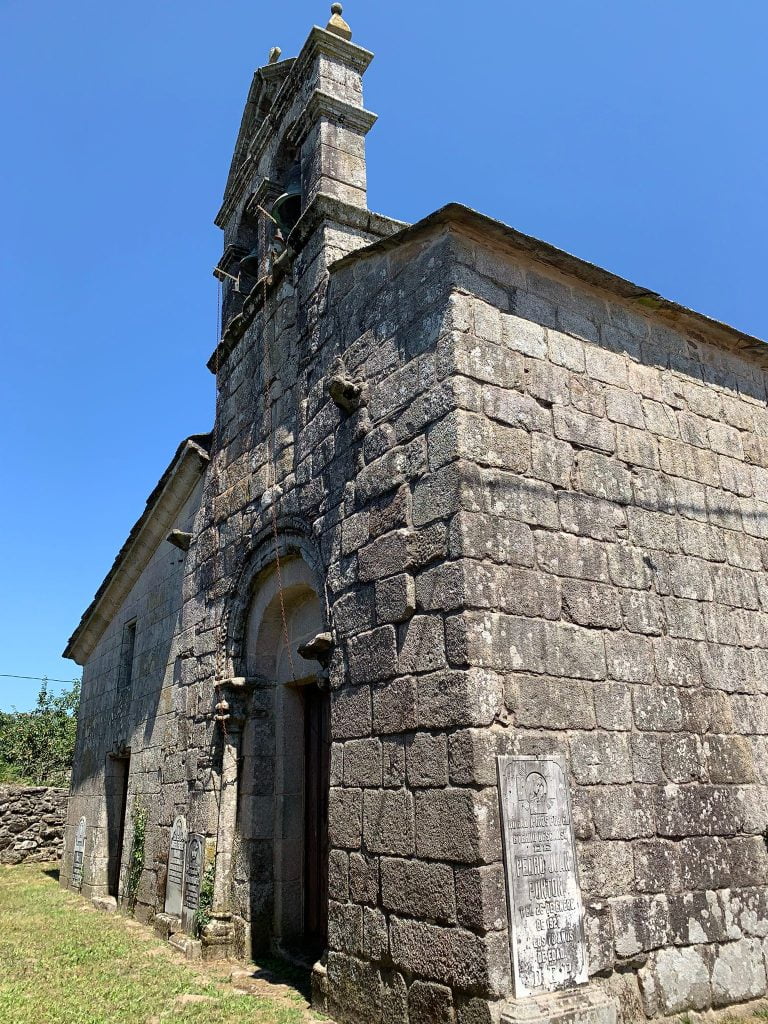
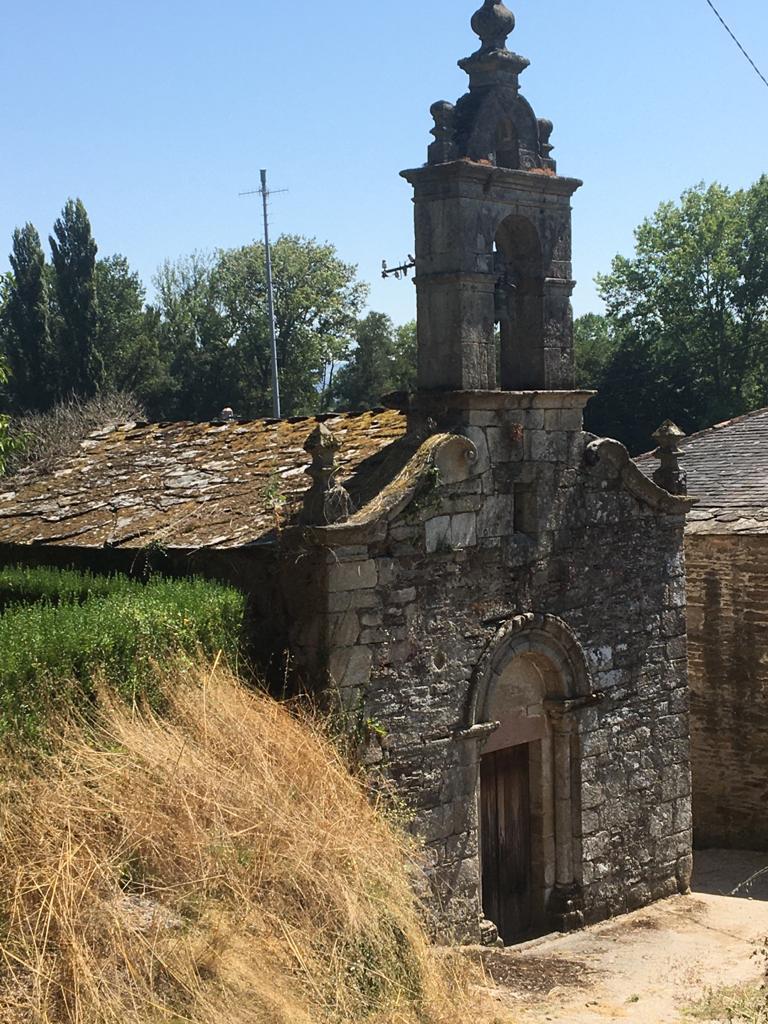
The Church of San Julián de Chorente in Sarria is a historic spot with Romanesque remains that reveal the medieval influence in the region. Its western doorway and baptismal font stand out as witnesses of a past that still endures and that was later incorporated into Baroque renovations.
29
Oct
Oct
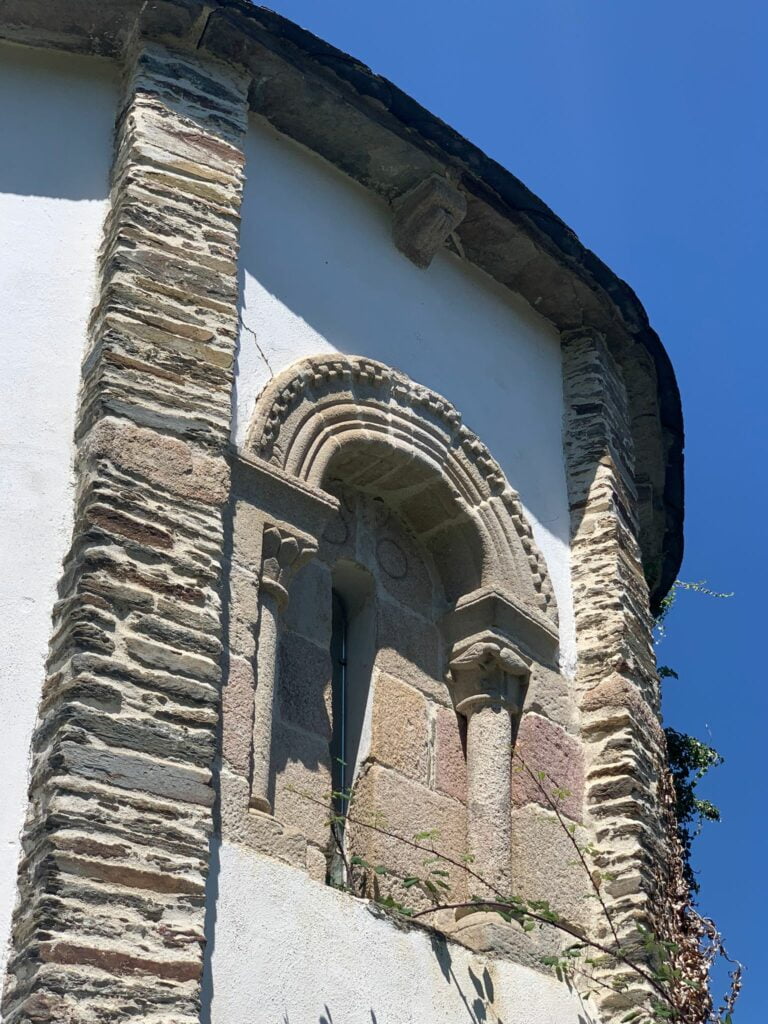
It is also a homildous example of the rural Romanesque style of the region.
29
Oct
Oct
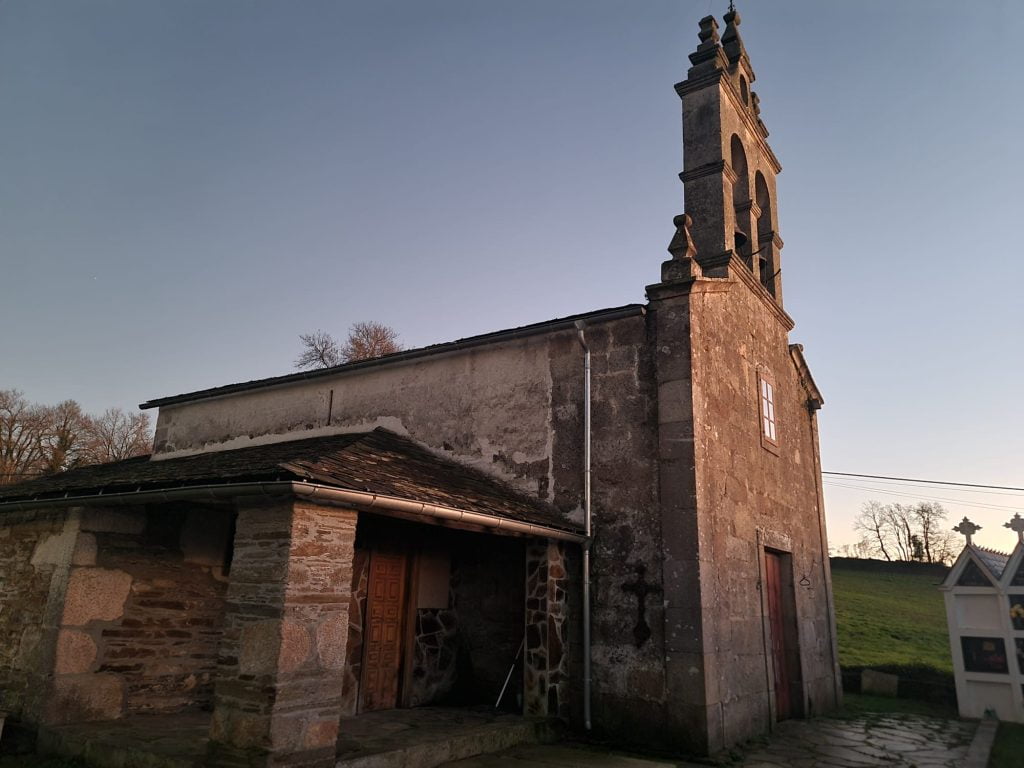
The Romanesque structure still exists. It has a very homildo-like semicircular apse.
29
Oct
Oct
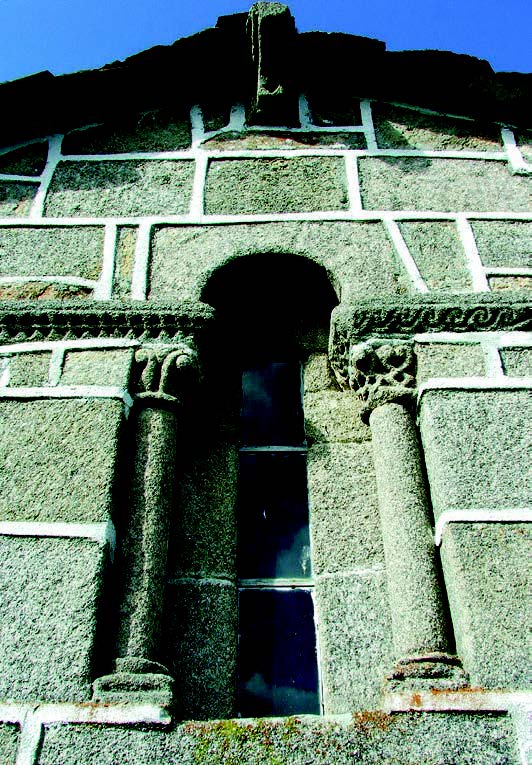
Very modified, it preserves a historical door in the north wall.
29
Oct
Oct
This Romanesque temple, with an earlier Visigothic structure, can be dated to around the year 1170. It is in a relatively good state of preservation.
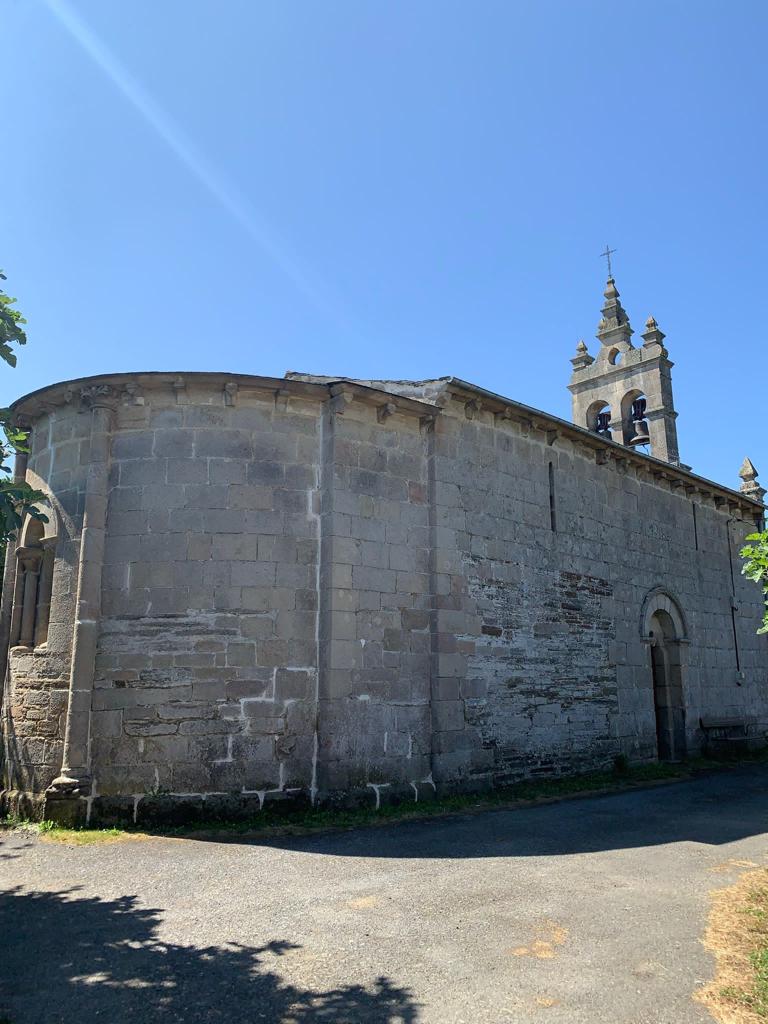
29
Oct
Oct
It has a sober Cistercian decoration in the semicircular apse, a Romanesque side door and a modern façade.
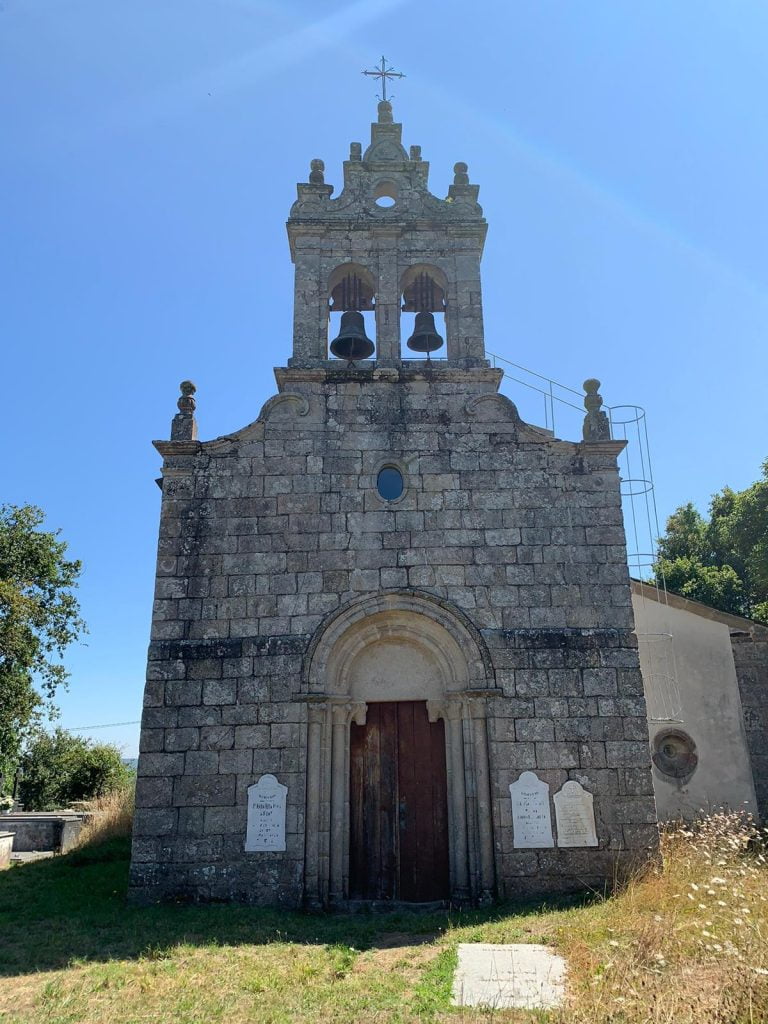
29
Oct
Oct
“Thanks to its remarkable isolation, Santo Estevo de Lousadela has remained practically unchanged since the 12th century. It is well worth stopping to admire the corbels that support the cornices and, of course, to enjoy its interior if we have the chance.”
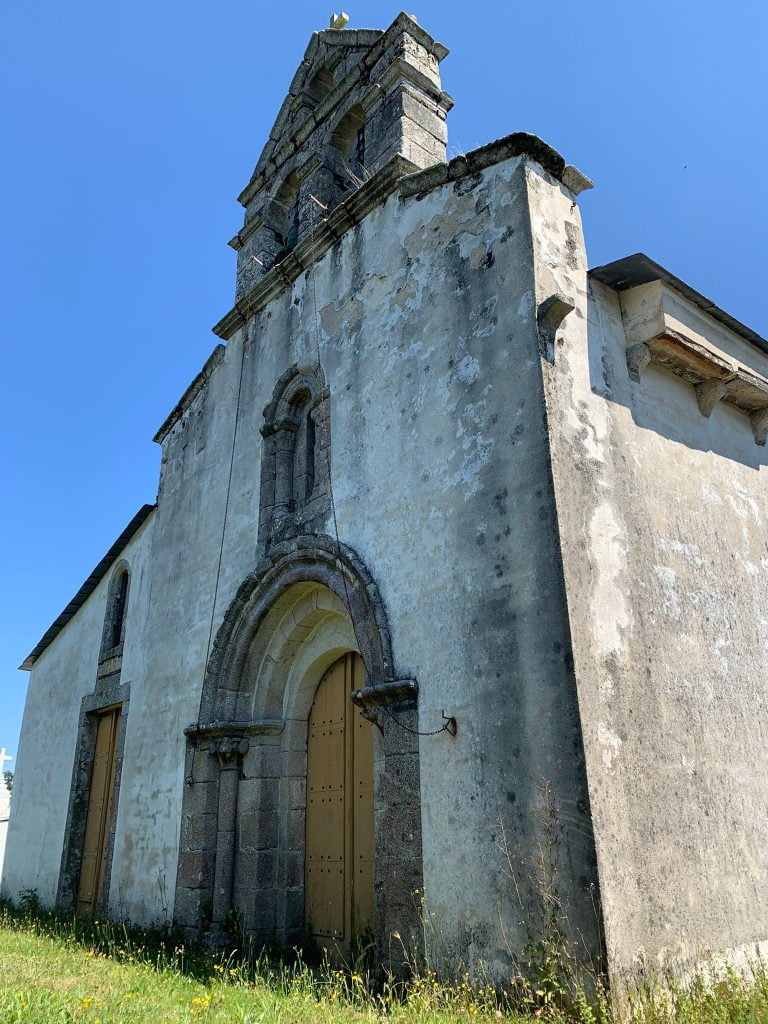
29
Oct
Oct
The only thing that remains from the Romanesque is the front of the south wall, which is an example of the simplest rural style.
