

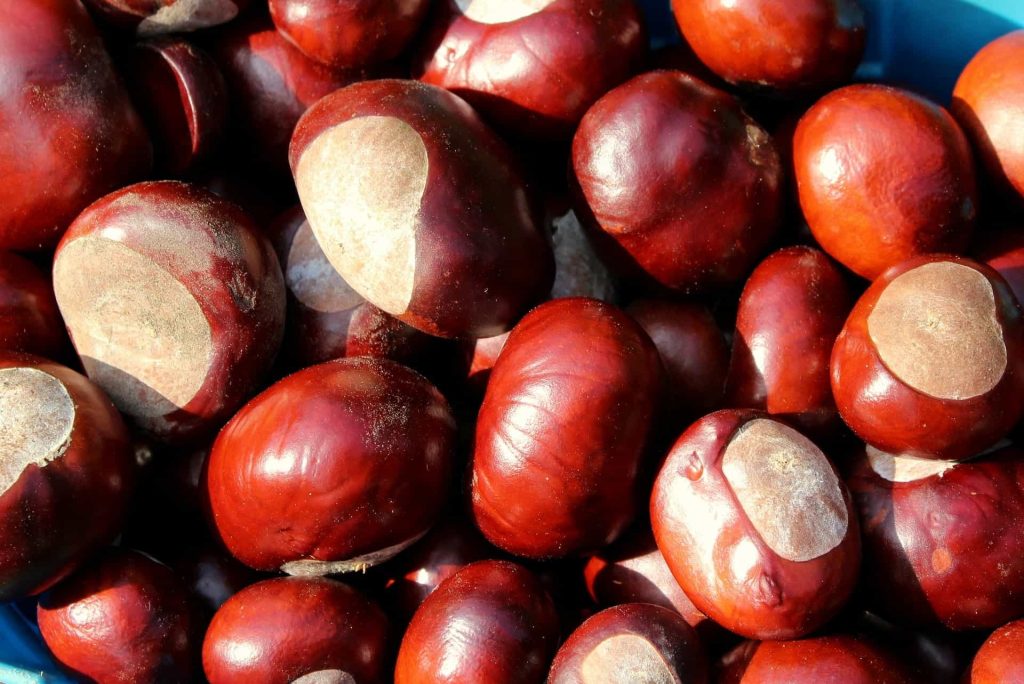
Neighbours and different associations organise enxebres magostos where fire, chestnuts and viño novo are the stars of the streets and squares.
News
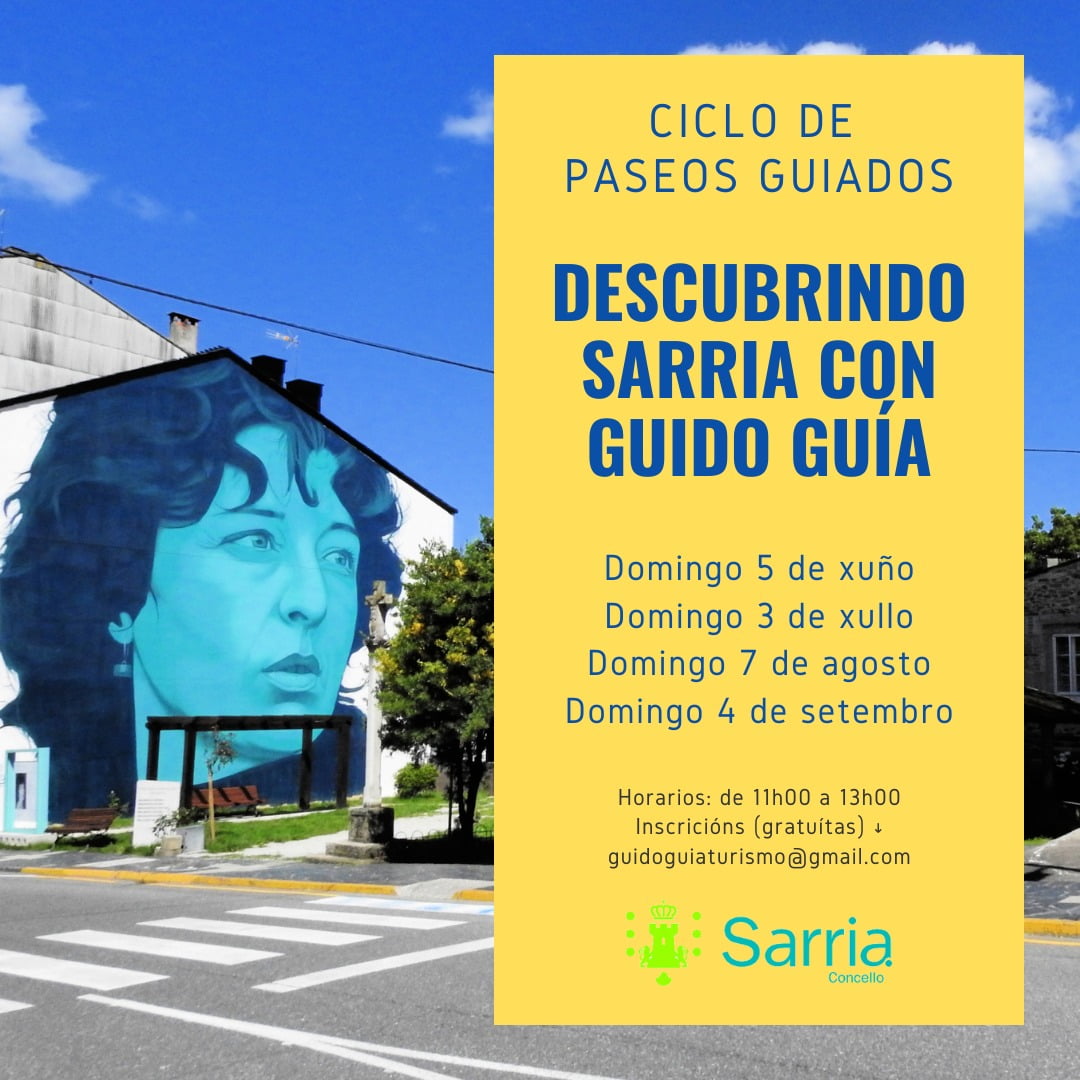
Discovering Sarria with Guido Guía
From June the City Council of Sarria offers you a very special cycle of activities: [...]
Continue reading
20
Apr
Apr
30
Oct
Oct
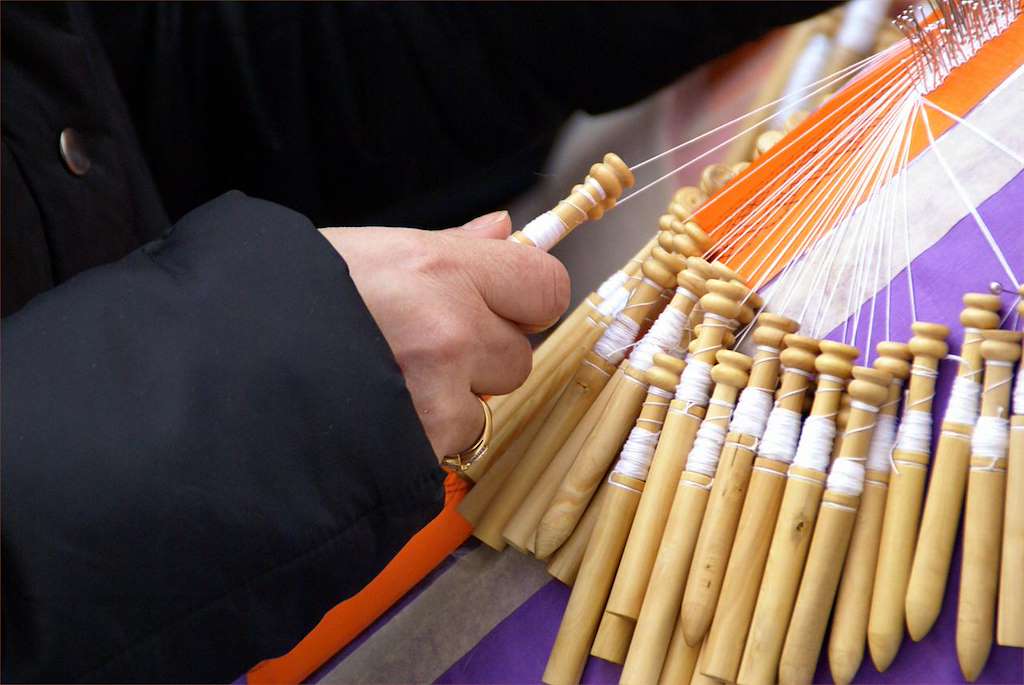
The Lace Makers Association Camino de Santiago de Sarria organizes the “Villa de Sarria” Gathering of Lace Makers and Traditional Crafts, an event that brings together people of all ages around the art of bobbin lace and traditional handiwork. The activity keeps alive a tradition passed down from generation to generation and encourages the involvement […]
30
Oct
Oct
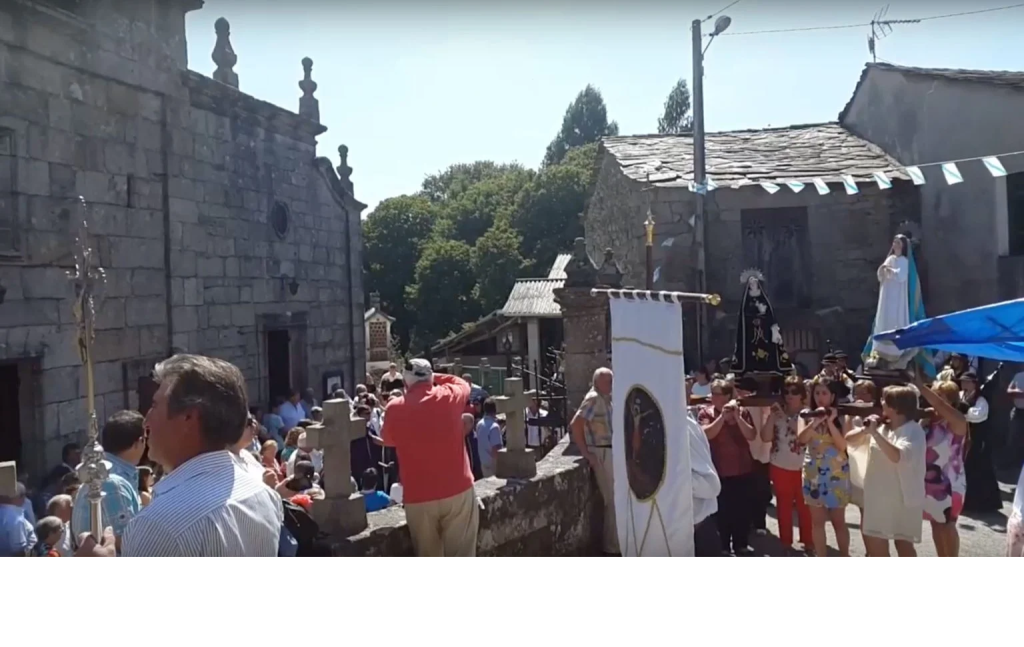
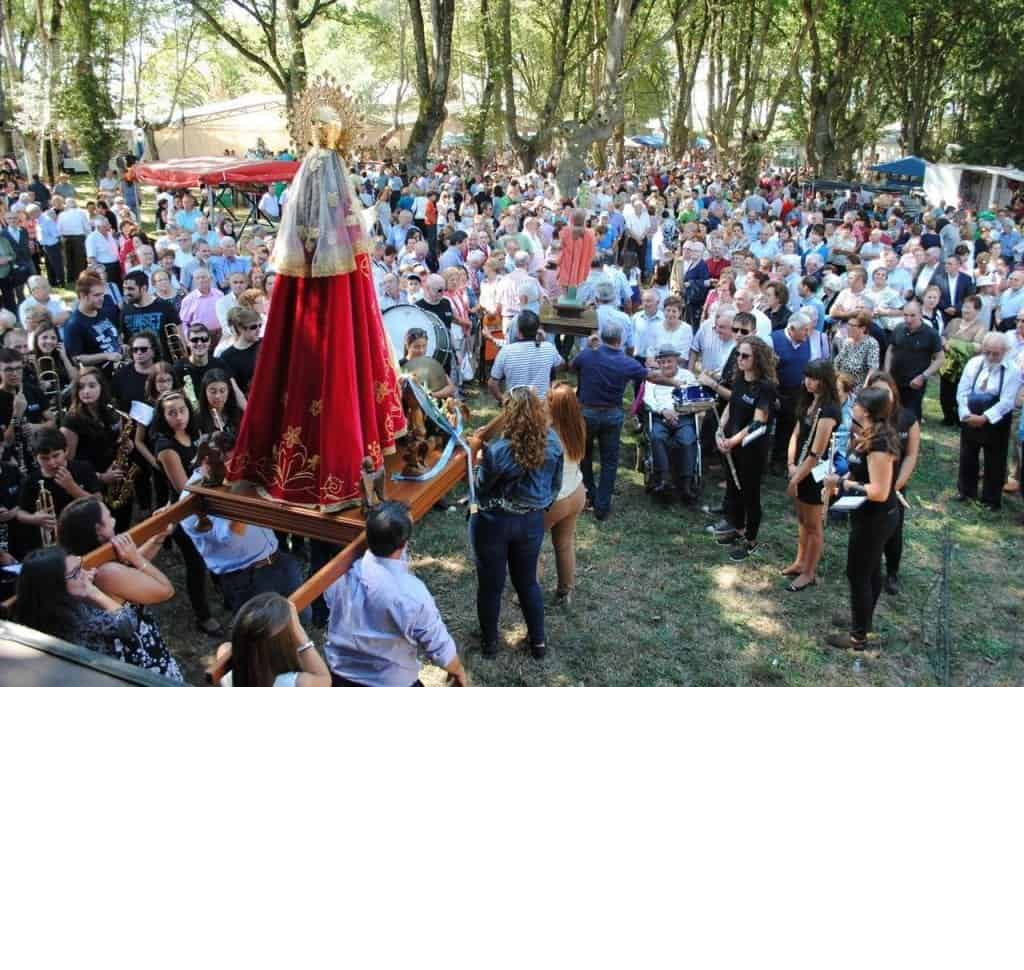
On the first Sunday in September, the parish of San Miguel de Goián celebrates this pilgrimage, whose origins date back to the 18th century. It is one of the most important in the region of Sarria and attracts many of the faithful who come to worship the image of the Holy Christ of this small […]
30
Oct
Oct
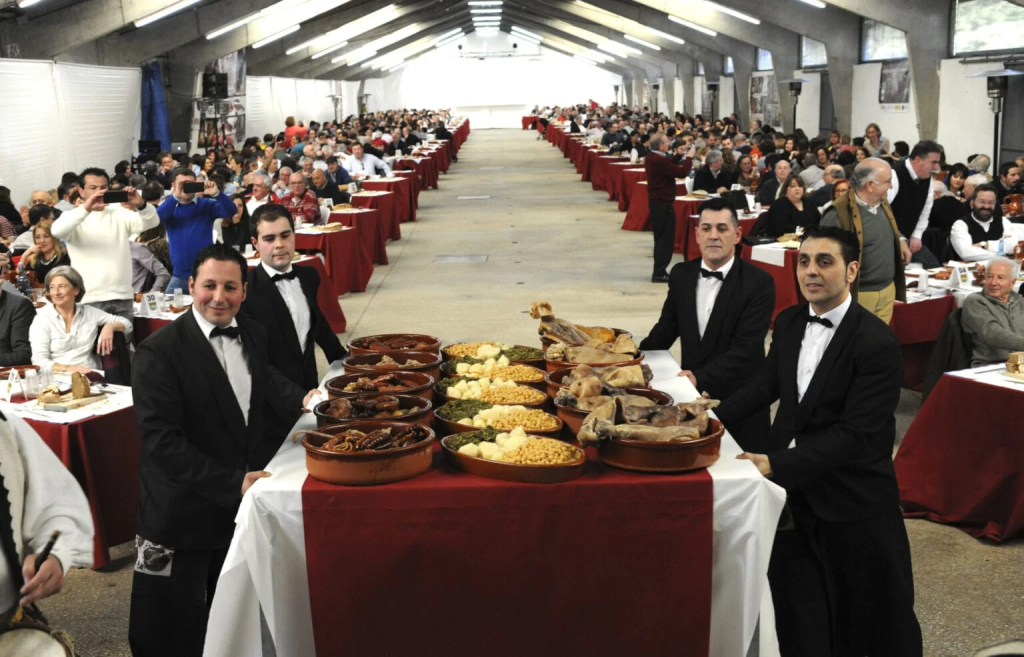
It is celebrated on the 8th and 9th of September in a beautiful carballeira next to a small shrine, a place of pilgrimage. Following tradition, the people of Sarrià walk up steep paths to the shrine. In the Campo da Virxe they gather to eat under the shade of the oak trees. The Sarrians’ pulperías […]
30
Oct
Oct
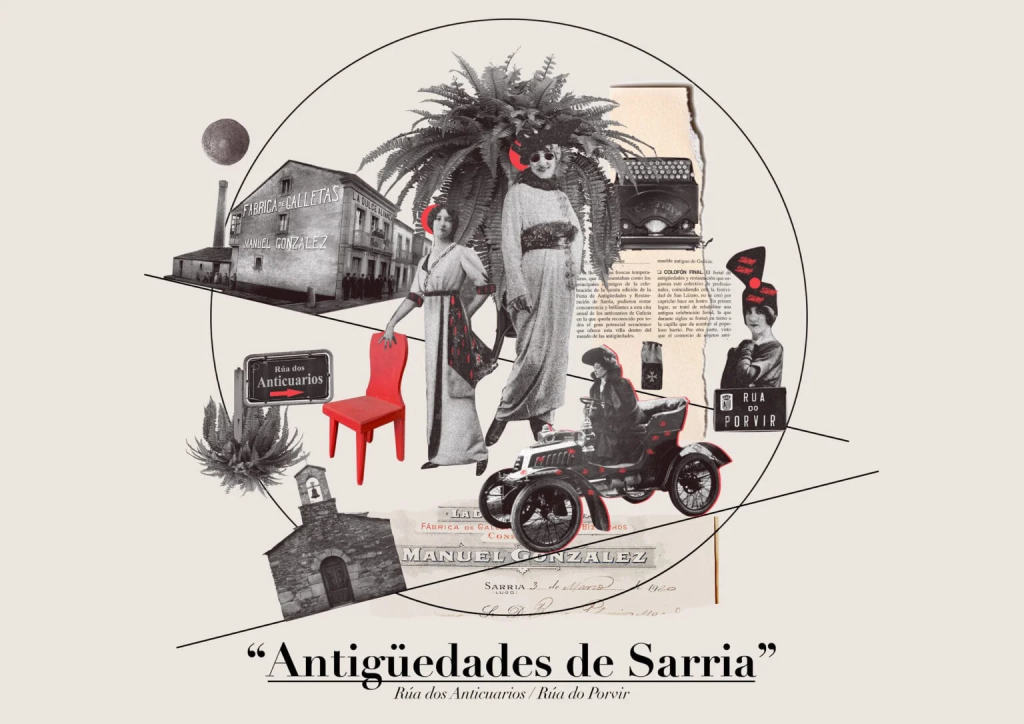
Day of exaltation of the Porco Celta “cocido”, organized by the Association of Hoteliers of the Sarria region, with the collaboration of the Sarria City Council. It takes place on the weekend, 15 days before carnival.
30
Oct
Oct
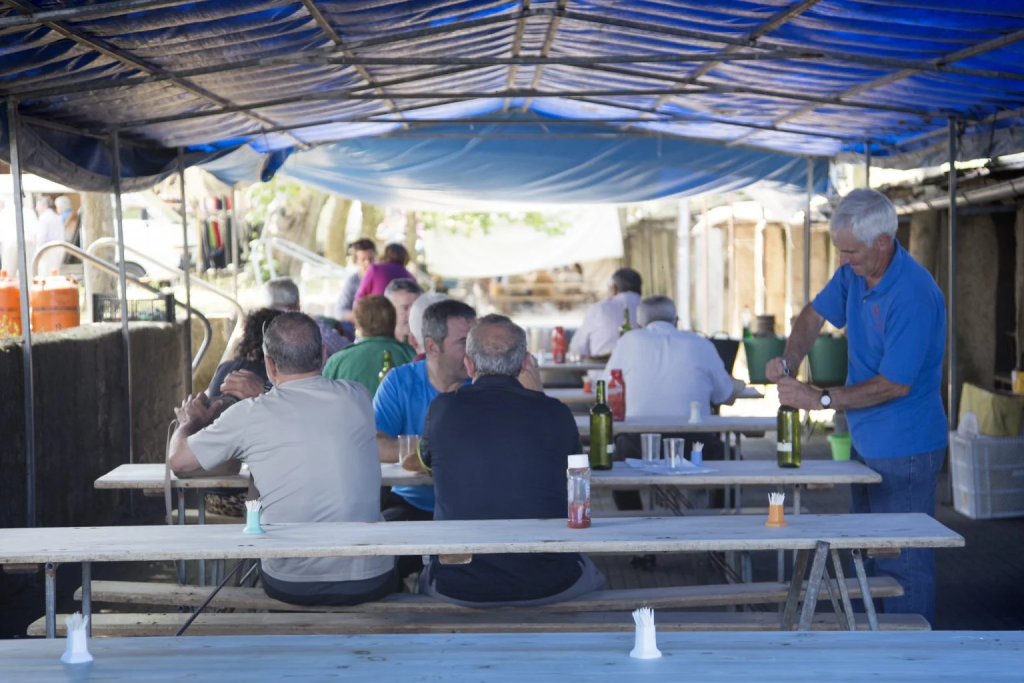
It takes place on May 7 and 8 on Rúa do Porvir, street of antique dealers. It is one of the most important antiques and restoration fairs in Galicia. The event consists of a market for antique furniture of various styles, antique decorative objects, collections and all types of antiques. It is complemented by artistic […]
30
Oct
Oct
“As early as the 14th century, fairs are documented next to the now disappeared hermitage of Santiago do Mercado, and later next to the fortress. In 1487 the Catholic Monarchs granted Pobra de Sárria the benefit of an annual Free Fair. Its heirs are the current and busy fairs monthly fairs on the 6th, 20th […]
30
Oct
Oct
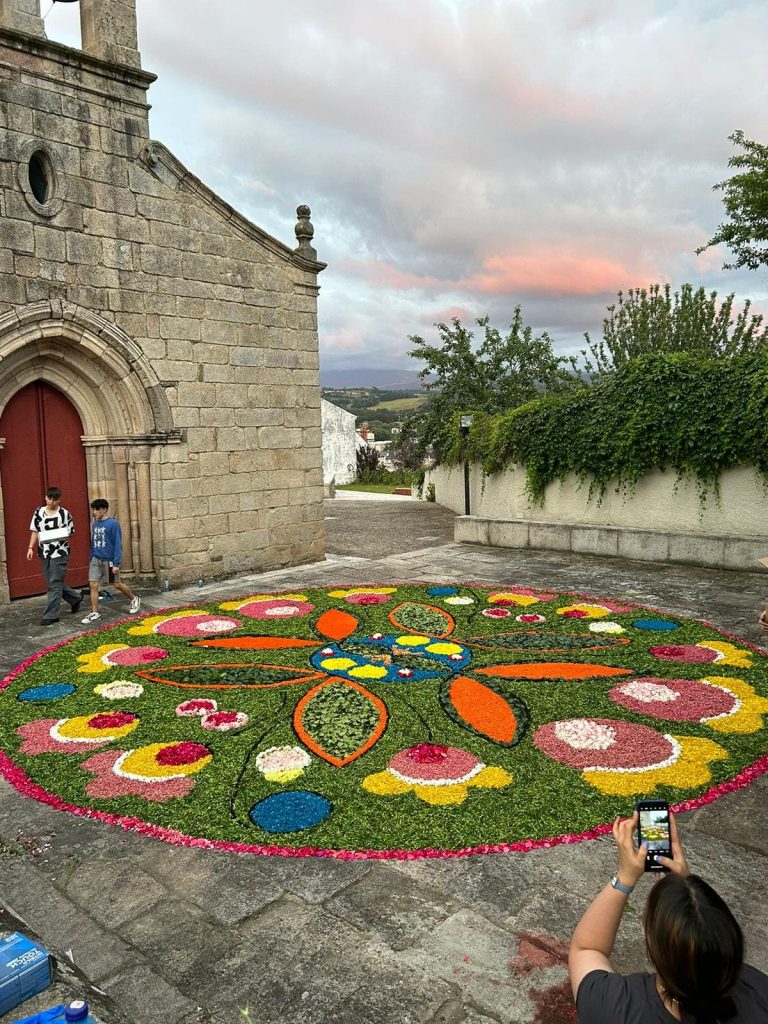
“It is the official holiday in Sarria and is celebrated the Sunday after Corpus Christi. The day before, floral carpets are made at Rúa Maior, from the Church of Santa Mariña to the Church of San Salvador, so that the procession can pass over them. Making rugs is hard and arduous but comforting work, in […]
30
Oct
Oct
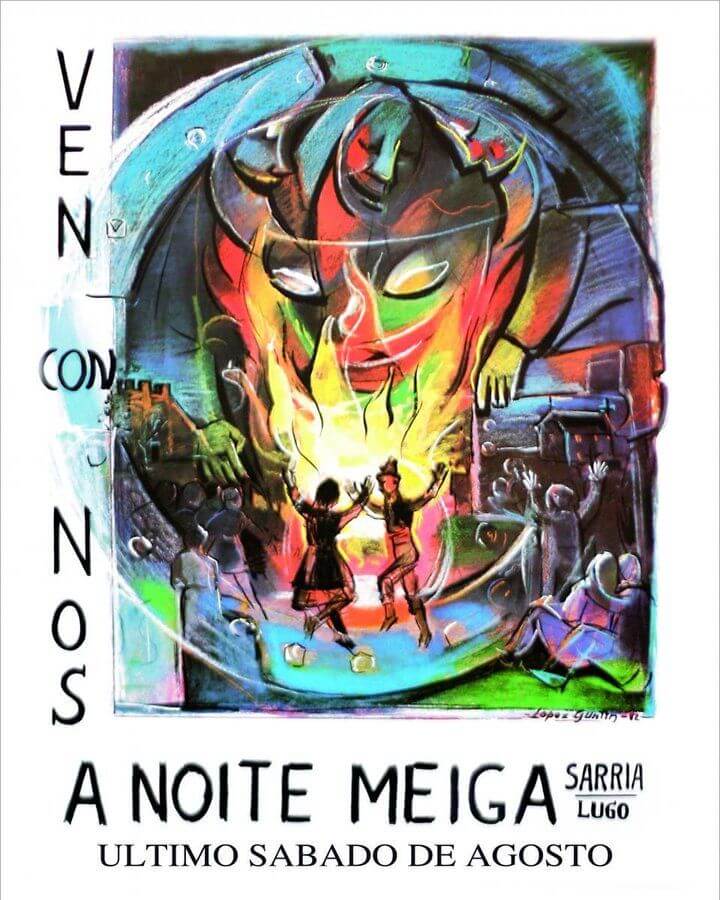
The Noite Meiga is celebrated on the night of the last Saturday of August, at the headquarters of the Centro Cultural Meigas e Trasgos, Parque do Chanto. This celebration was born in 1971 and is based on a legend that tells the sad love story between a young man and a meiga (witch). The young […]
29
Oct
Oct
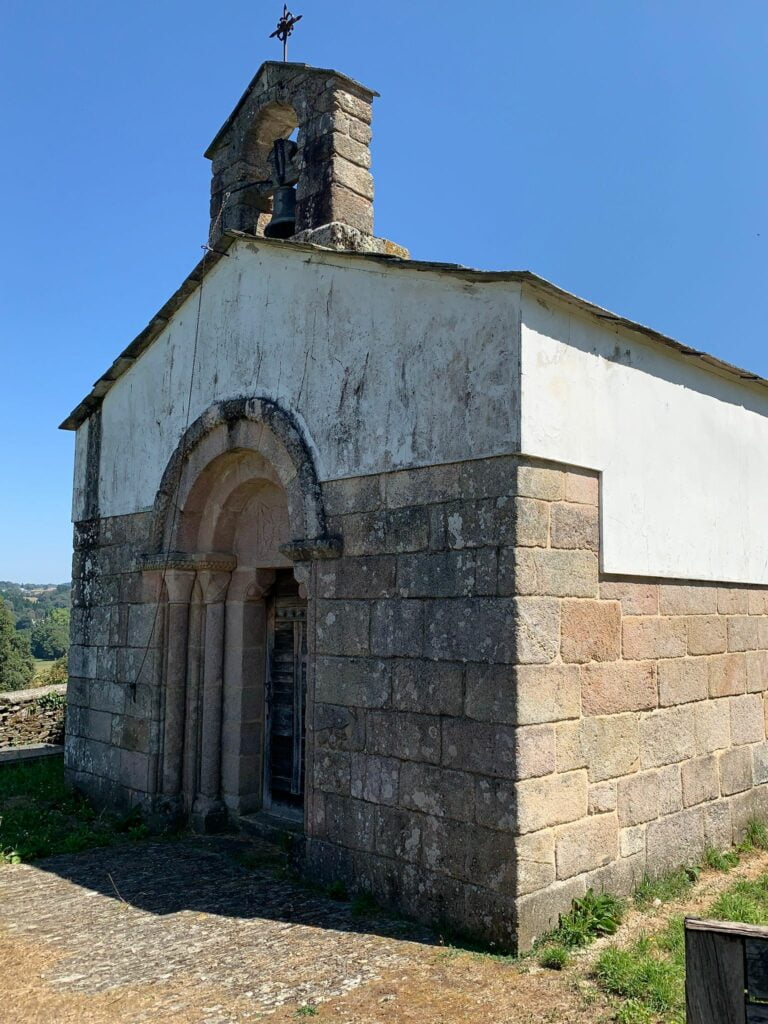
Church with a nave that preserves its characteristics both in the door and in the apse.
