

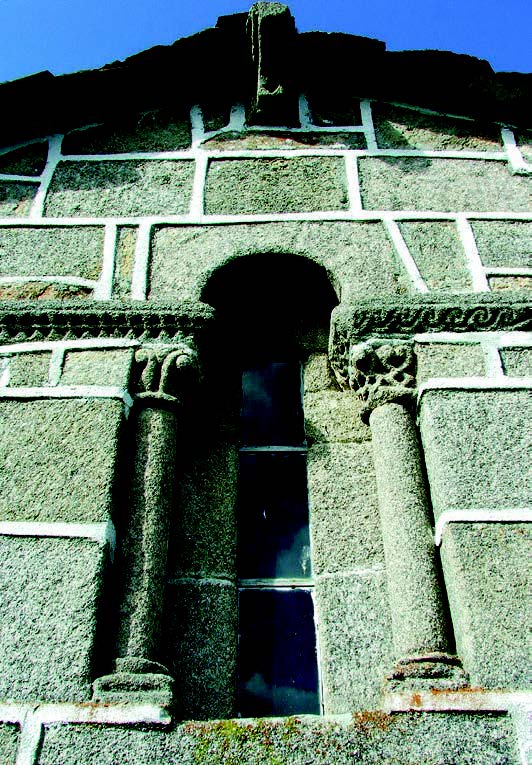
This Romanesque temple, with an earlier Visigothic structure, can be dated to around the year 1170. It is in a relatively good state of preservation.
News
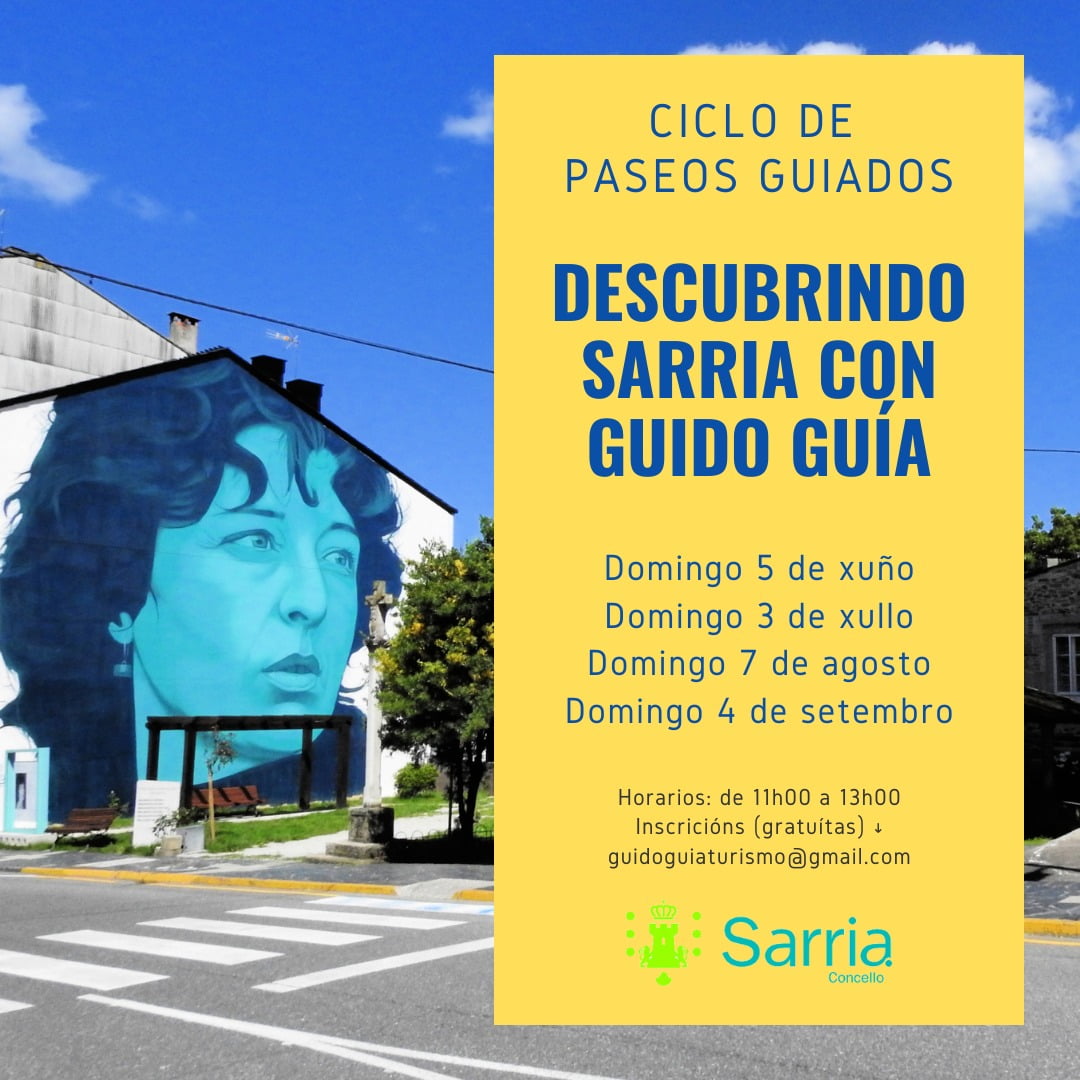
Discovering Sarria with Guido Guía
From June the City Council of Sarria offers you a very special cycle of activities: [...]
Continue reading
20
Apr
Apr
29
Oct
Oct
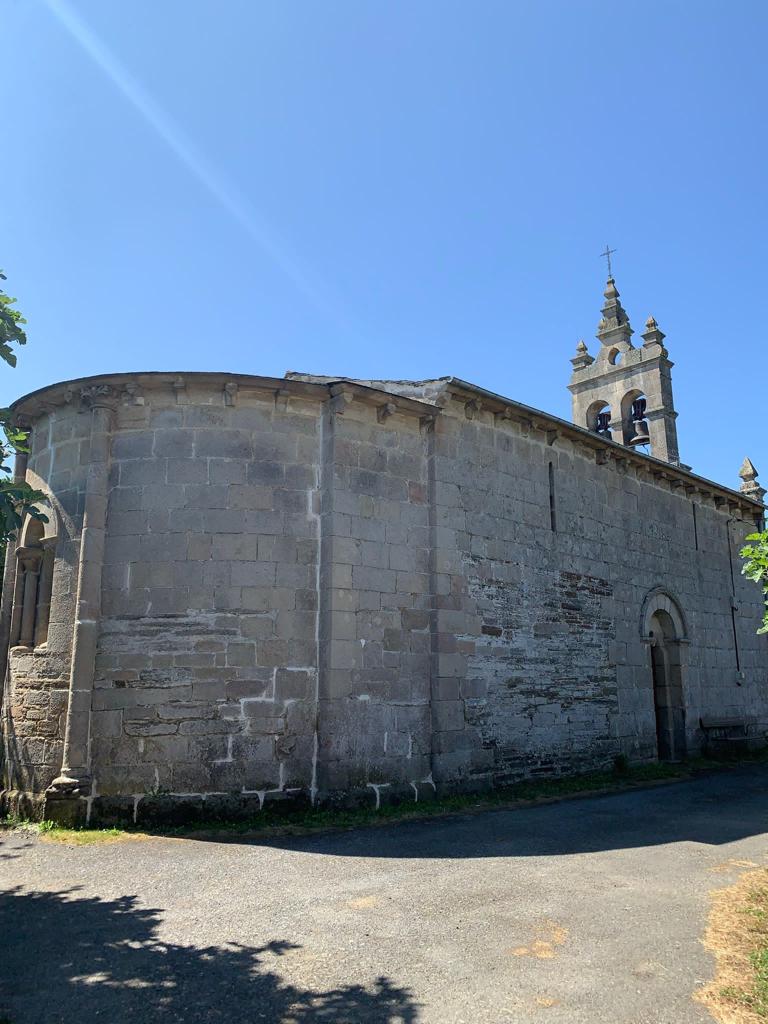
It has a sober Cistercian decoration in the semicircular apse, a Romanesque side door and a modern façade.
29
Oct
Oct
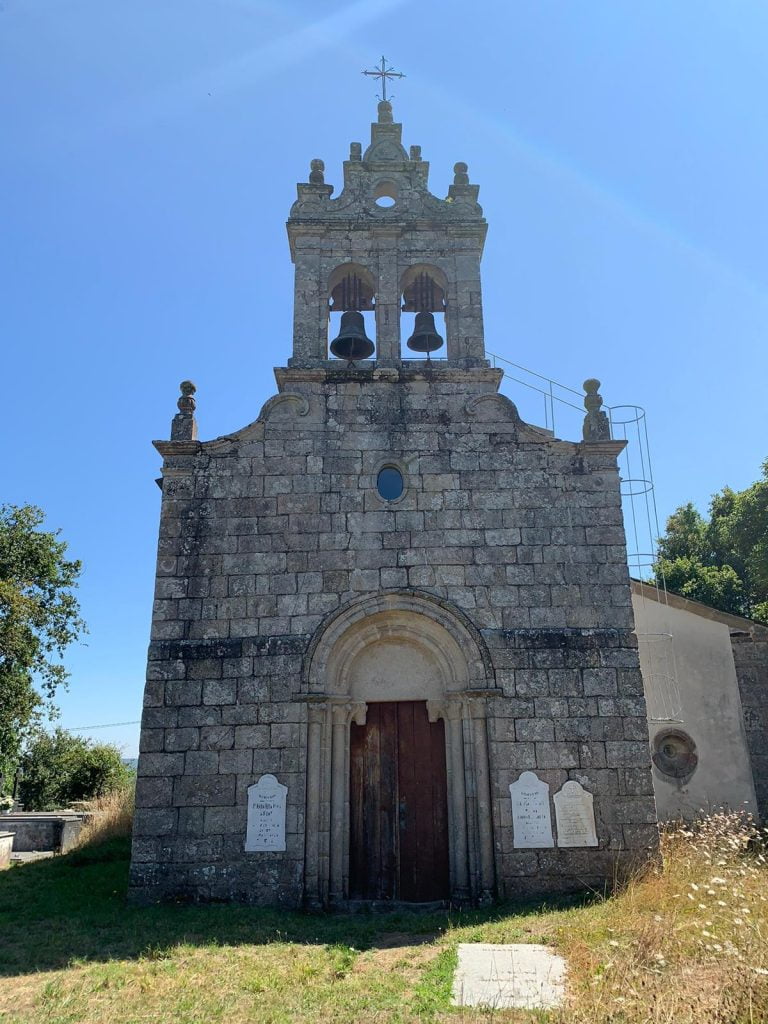
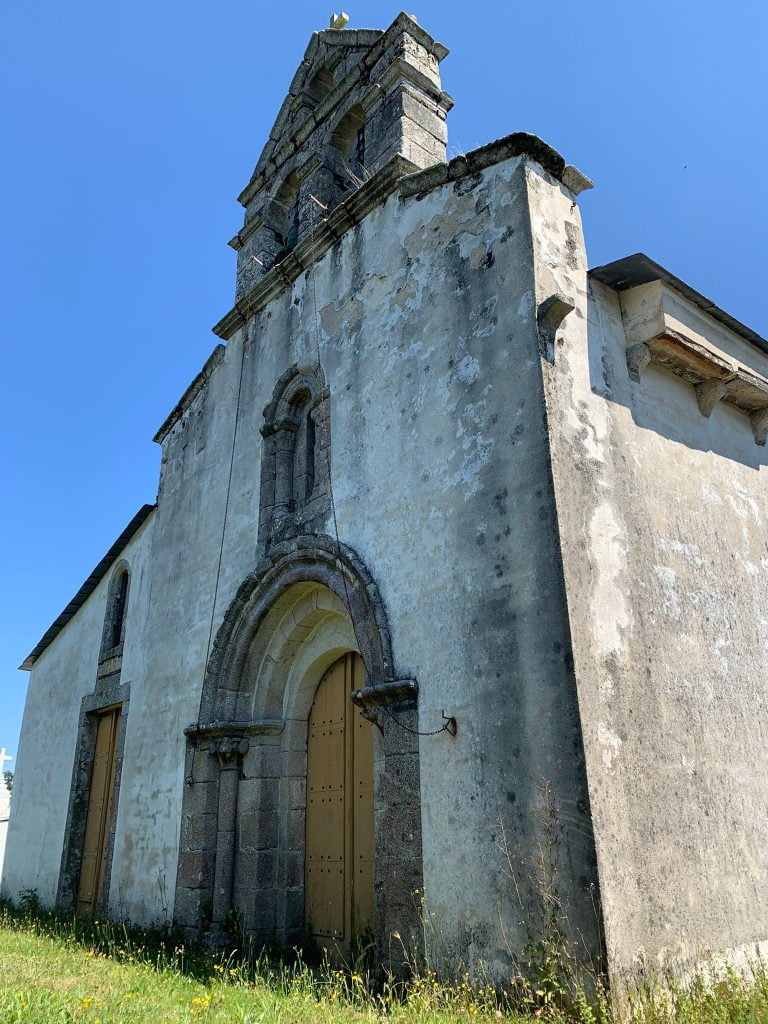
“Thanks to its remarkable isolation, Santo Estevo de Lousadela has remained practically unchanged since the 12th century. It is well worth stopping to admire the corbels that support the cornices and, of course, to enjoy its interior if we have the chance.”
29
Oct
Oct
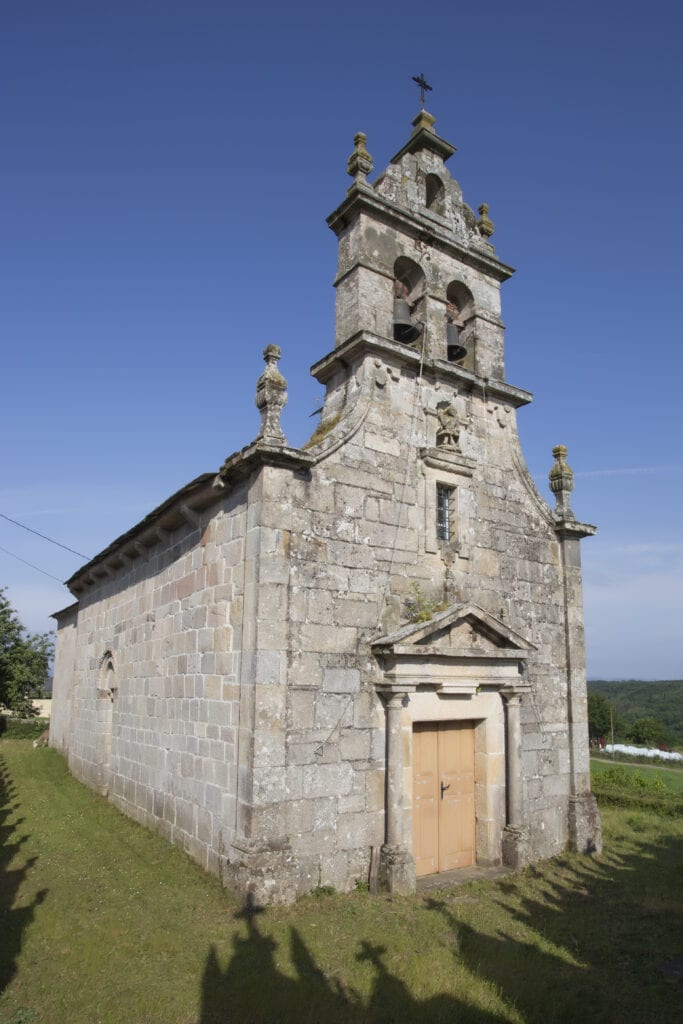
The only thing that remains from the Romanesque is the front of the south wall, which is an example of the simplest rural style.
29
Oct
Oct
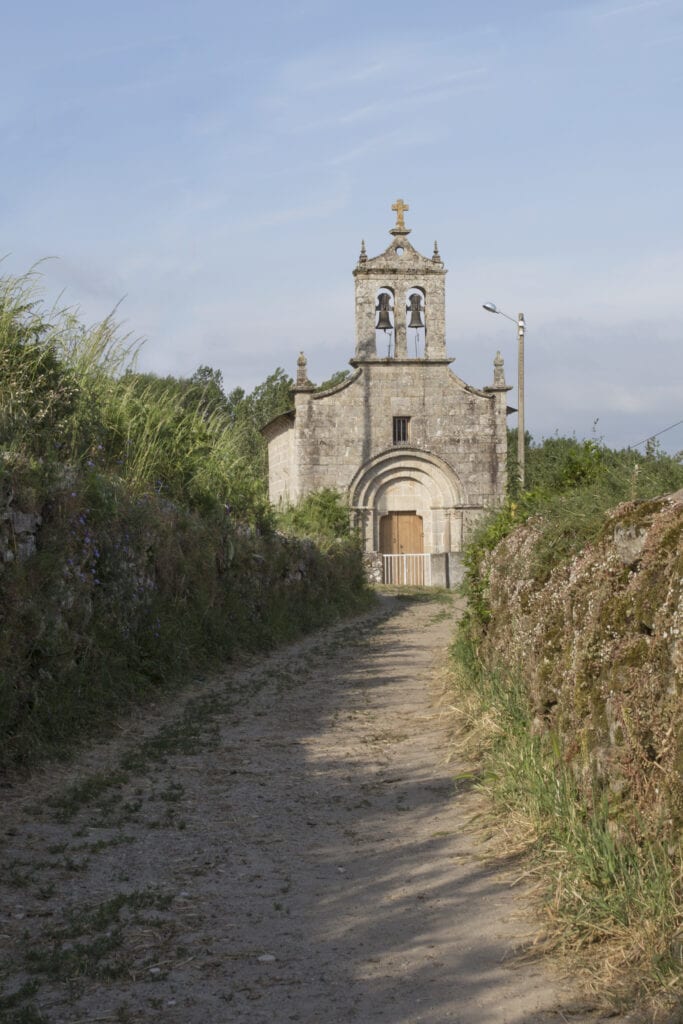
Completely renovated, the Romanesque structure of the door on the north wall was preserved.
29
Oct
Oct
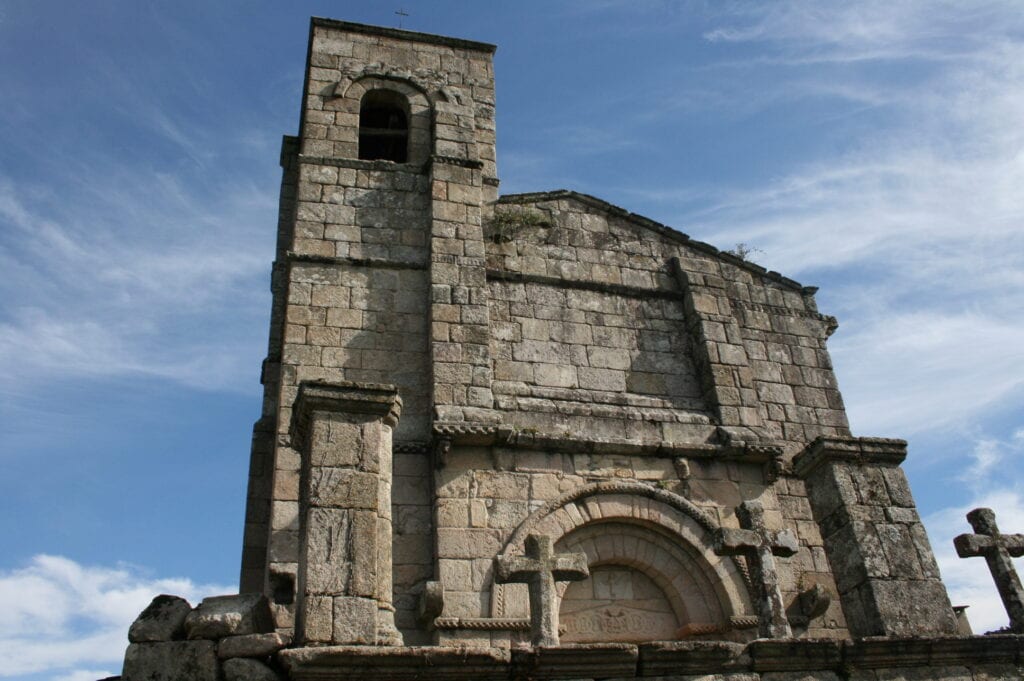
Located on the French Pilgrimage Route. A humble example of rural Romanesque.
29
Oct
Oct
The church belonged to the monastery that the Benedictines had there. Very interesting main door with pentagonal tympanum, side door and tower from the period. Asset of Cultural Interest (BIC) since 2008.
28
Oct
Oct
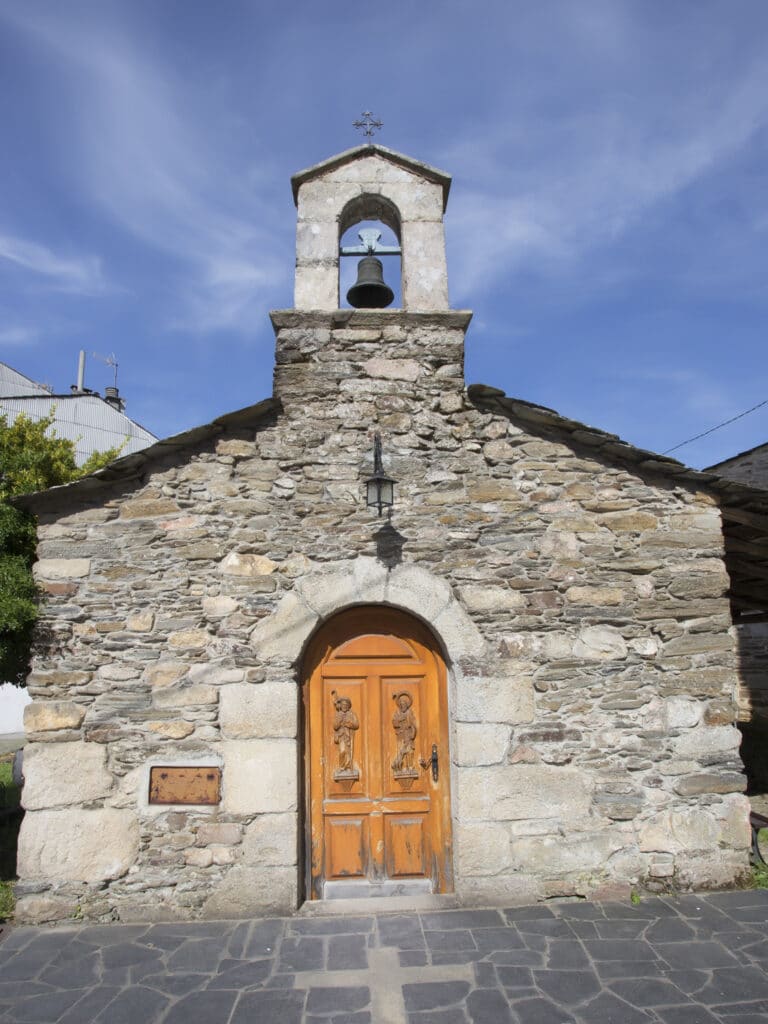
(18th century). It is the only remnant of what was once the Hospital of San Lázaro, dedicated to curing people suffering from leprosy between the 15th and 17th centuries.
28
Oct
Oct
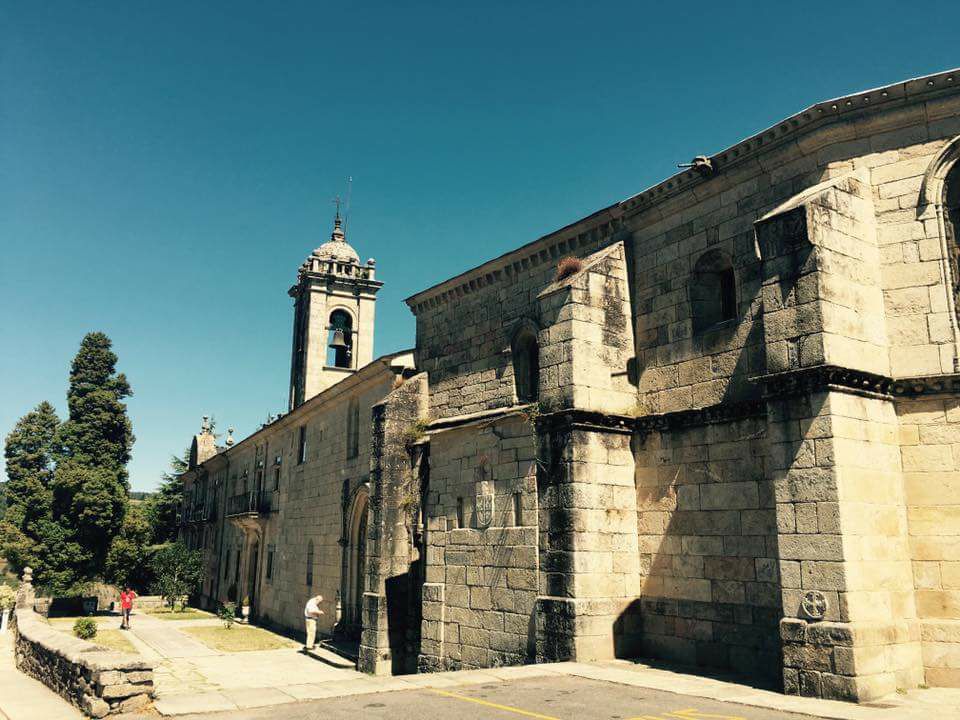
(12th century). Founded as a hospital and refuge for pilgrims, by two Italian friars. Today it is governed by the Order of Mercy. One of the most representative monuments of Sarria.

21
Oct
Oct
(1885). Located in the old market square, occupying the site of an old Romanesque church dating back to the 13th century.
