

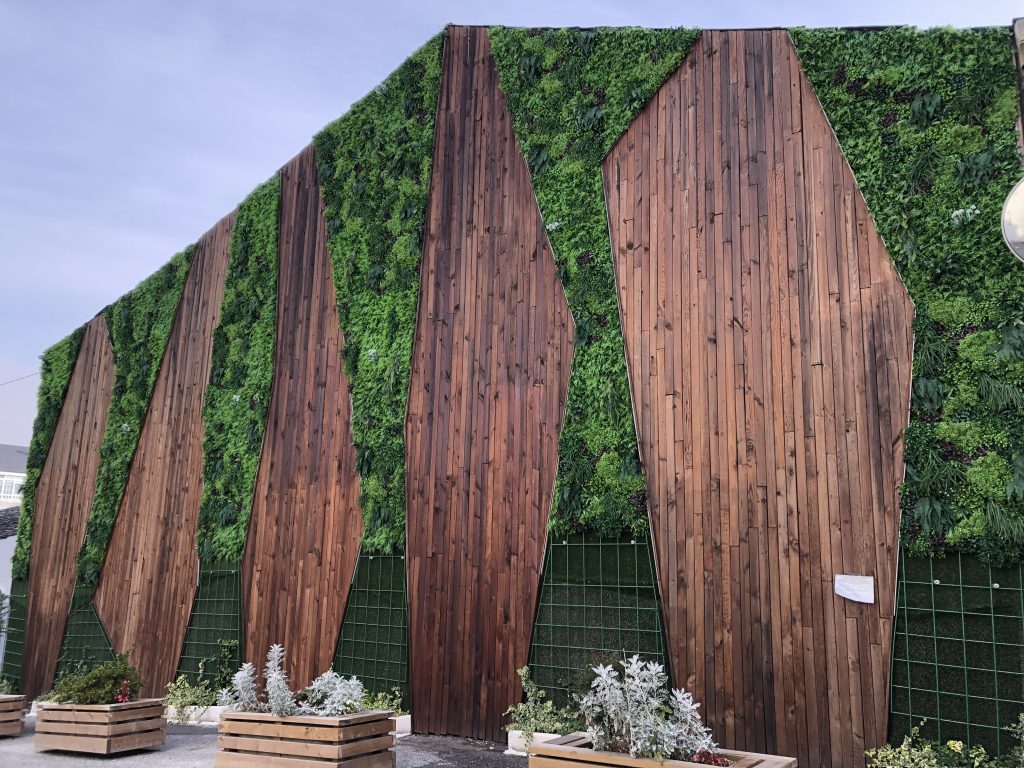
The vertical garden of Sarria, promoted by the City Council and funded with European funds, is a landscape architecture project that transforms the façade of an out-of-order dwelling on the French Way of St. James. Turned into a visual and ecological landmark, it reinforces urban identity and sustainability without altering the historical memory of the […]
News
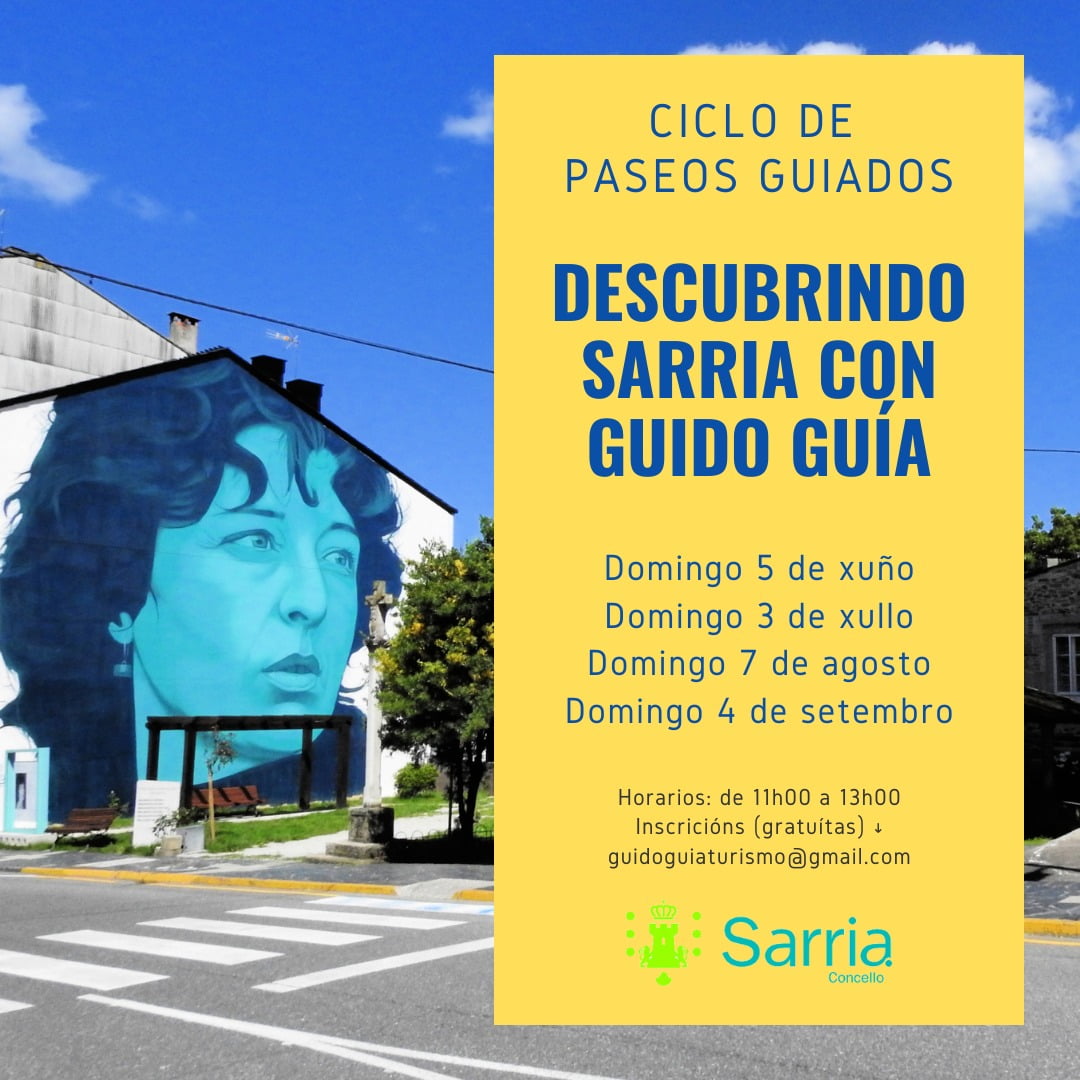
Discovering Sarria with Guido Guía
From June the City Council of Sarria offers you a very special cycle of activities: [...]
Continue reading
20
Apr
Apr
29
Oct
Oct
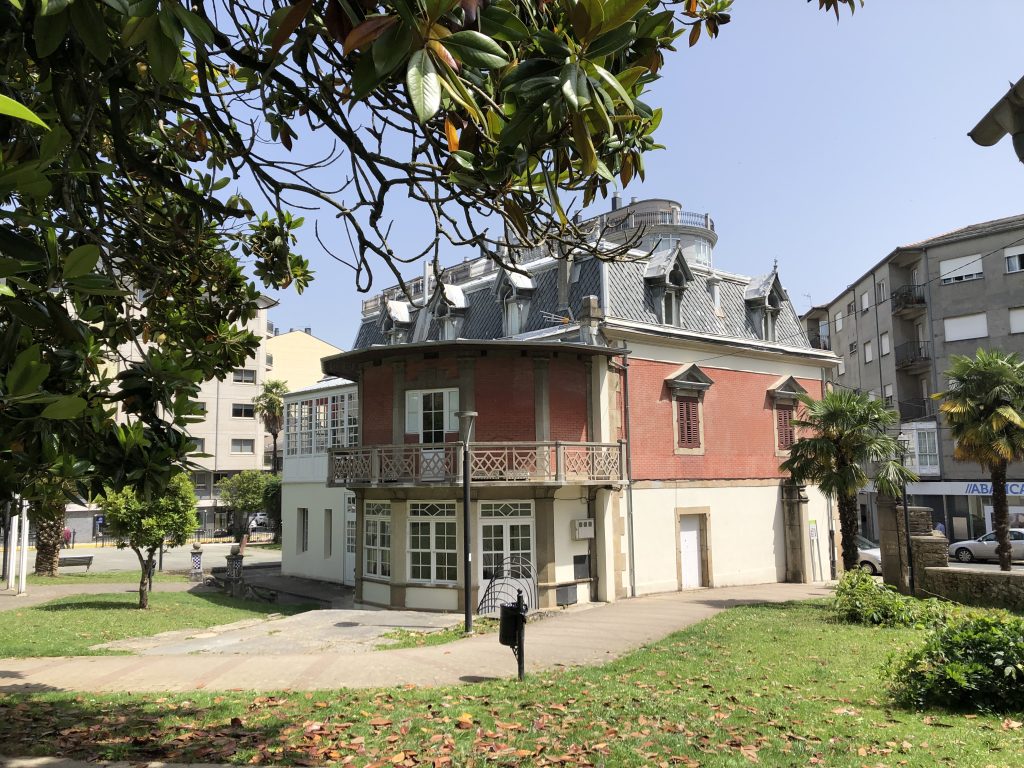
Villa Andrea is a historic residence promoted in 1880 by the chocolate industrialist Matías López López, named after his wife. Located in today’s Plaza da Vila, the heart of Sarria, it welcomed illustrious figures such as Emilia Pardo Bazán and even served as a hospital during the Civil War. Its garden makes this space a […]
29
Oct
Oct
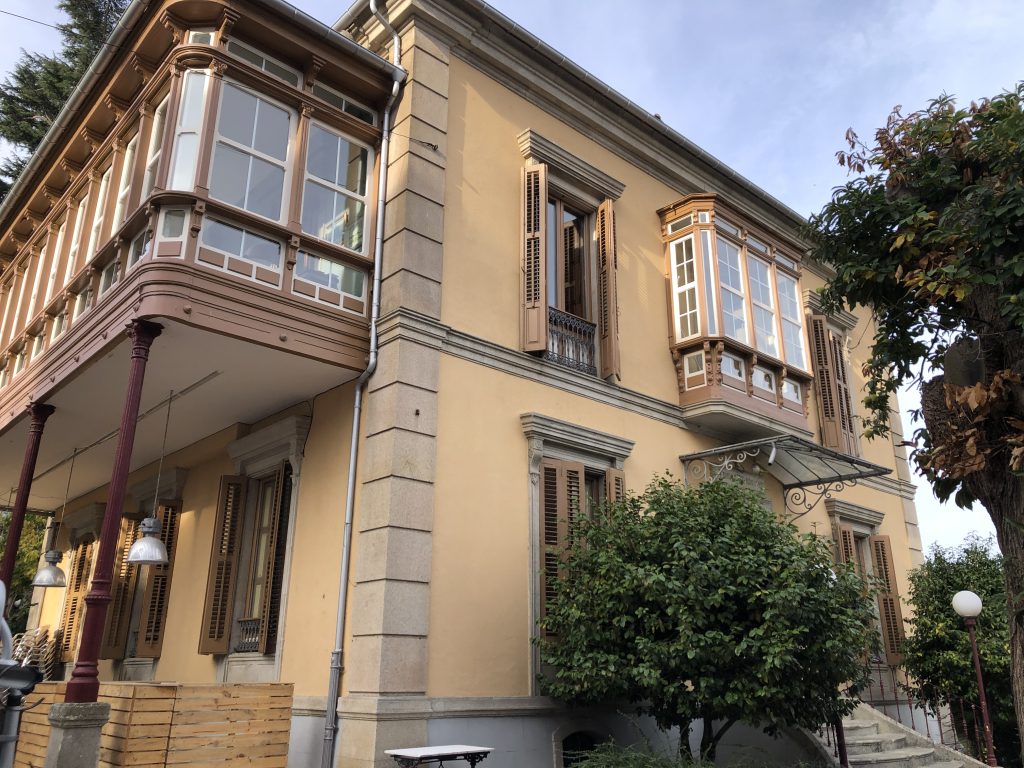
La Unión, a cultural and recreational society founded in 1919, is a benchmark of social life in Sarria. Since 1931, it has been based in Villa Aurelia, a building and gardens acquired in 1965, becoming a symbol of coexistence and civic participation. Another 19th-century manor house is the well-known “Quinta de los Madrileños,” also promoted […]
29
Oct
Oct
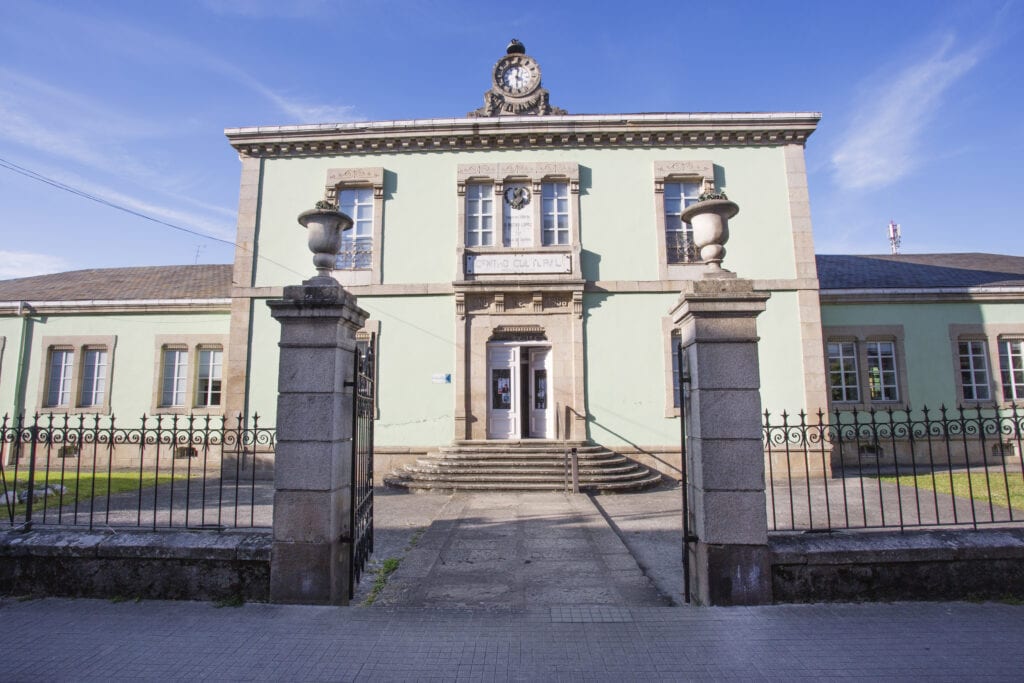
In neoclassical style, it was the former Public Schools building and now houses the library and exhibition halls.
28
Oct
Oct
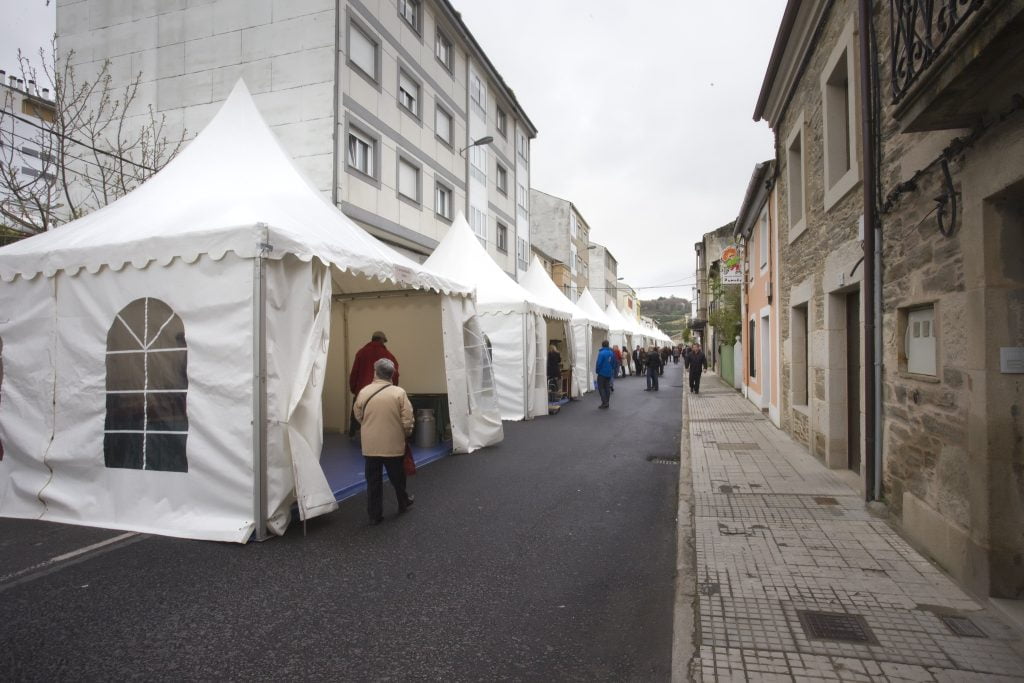
If you are passionate about antiques or find furniture or pieces with a lot of history, this is the street for you. Enter the shops of the antique dealers and find your treasure.
28
Oct
Oct
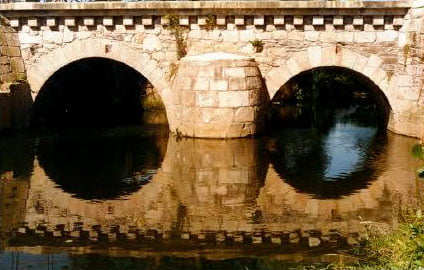
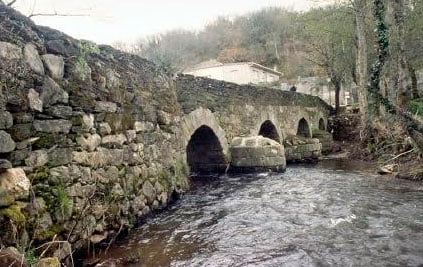
Reconstructed in the 18th century on a bridge of medieval origin. It is one of the most outstanding bridges on the French Pilgrim’s Way to Santiago de Compostela.
21
Oct
Oct
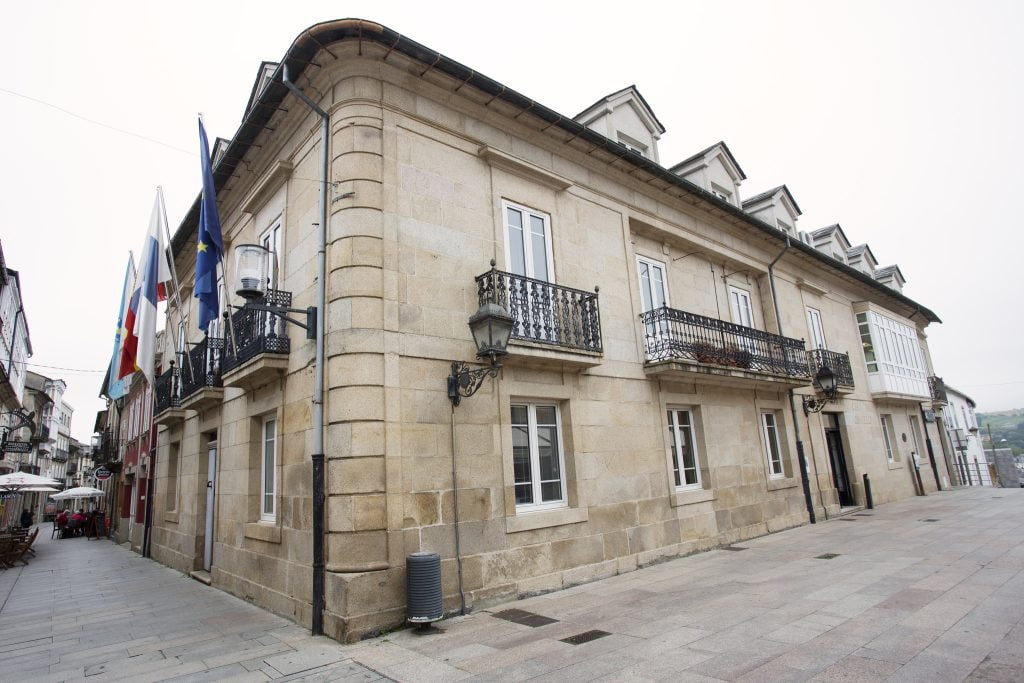
(19th century). Since 1920 it has been the Casa do Concello (Town Hall). On the main façade is the stone sculpture of the king Alfonso IX of León and Galicia.
21
Oct
Oct
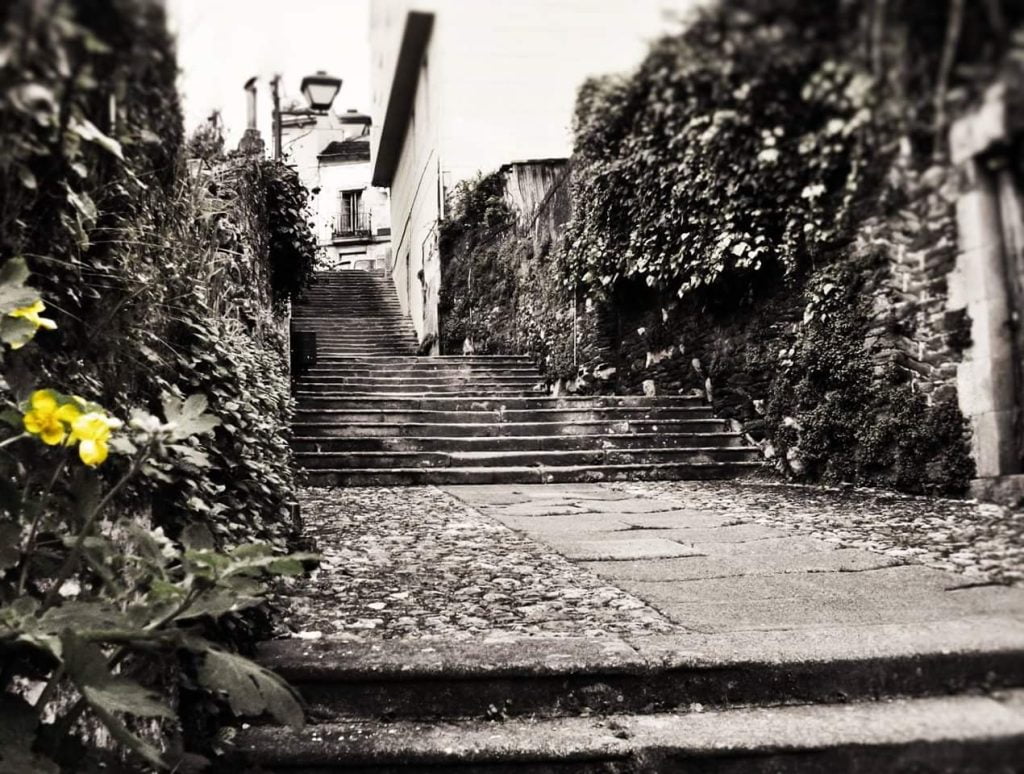
The “Escaleira da Fonte” or Main Staircase was built in the mid-19th century and is a very representative element of the French Camino de Santiago, as it gives access to the old area of the village.
10
Sep
Sep
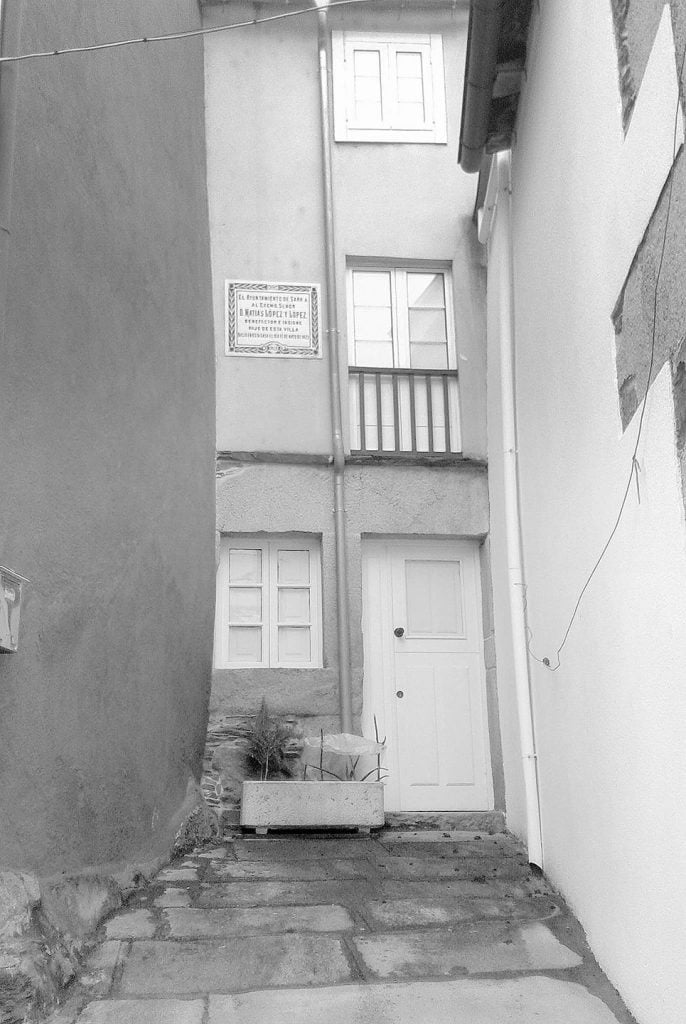
It was the home of the chocolate industrialist, politician and philanthropist, who introduced modern commercial advertising in Spain.
- 1
- 2
